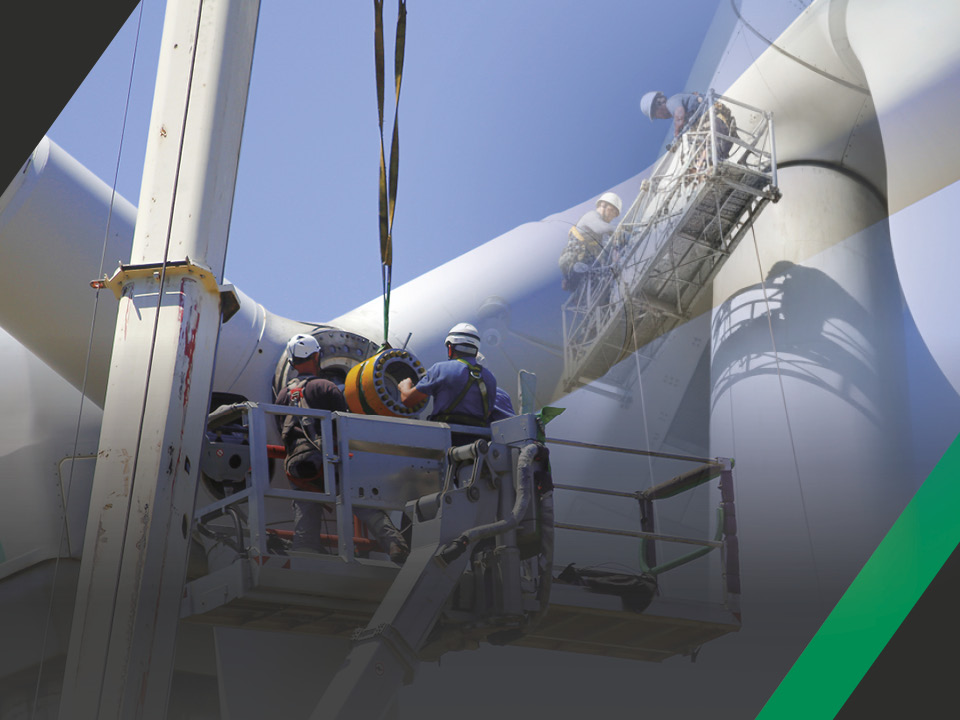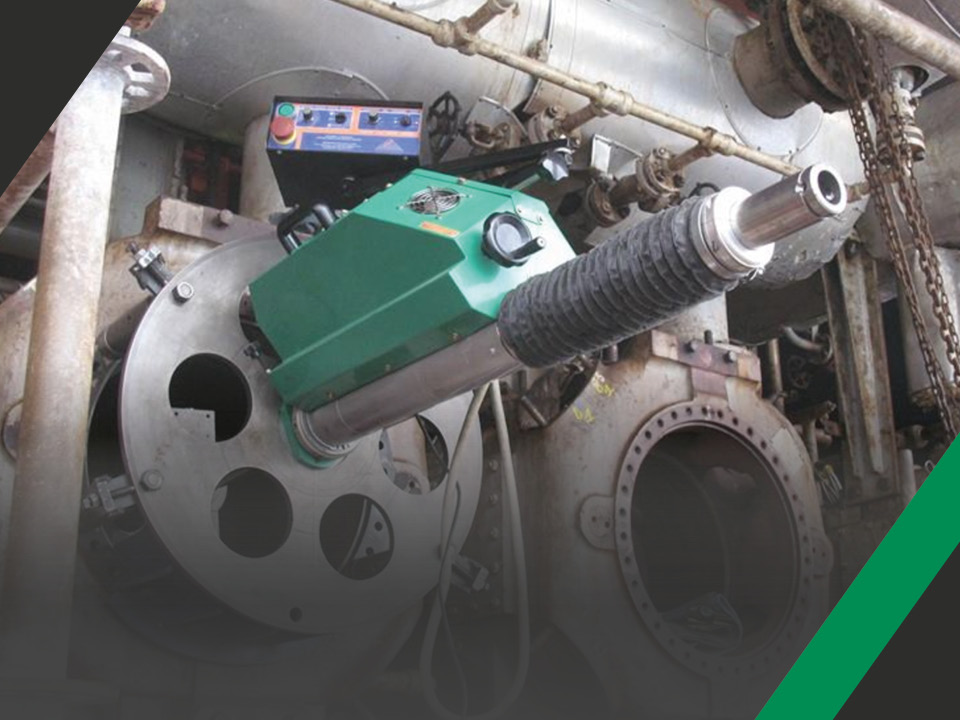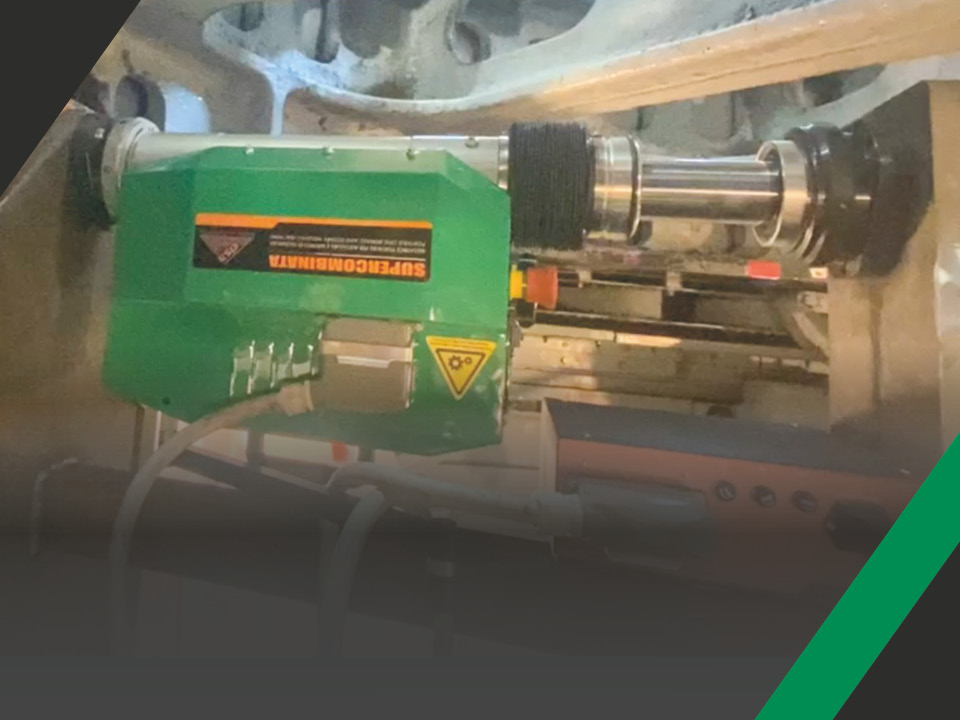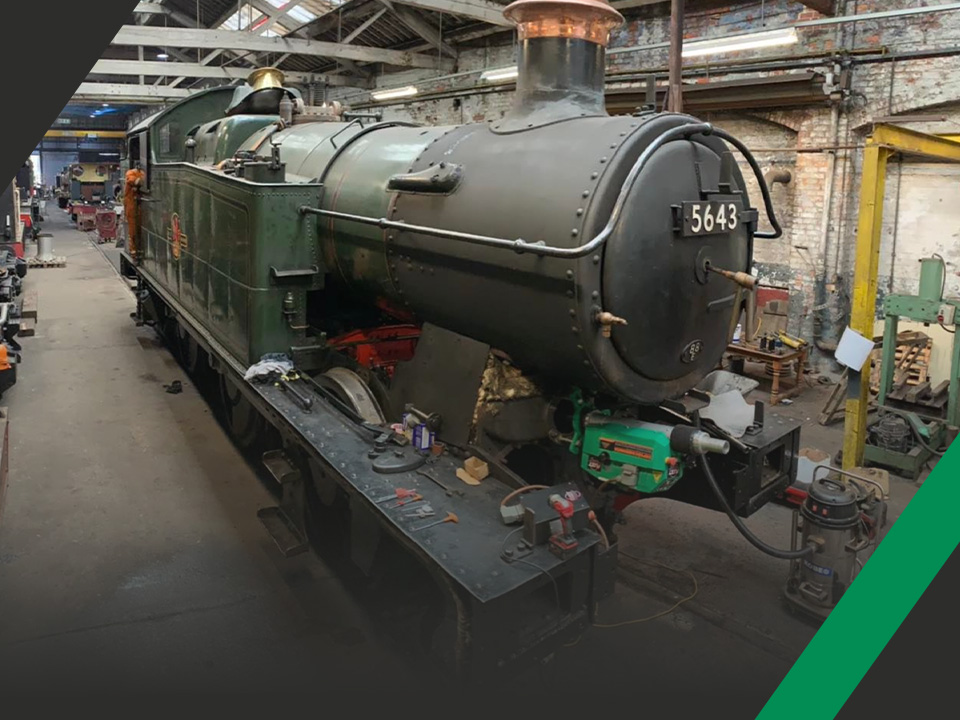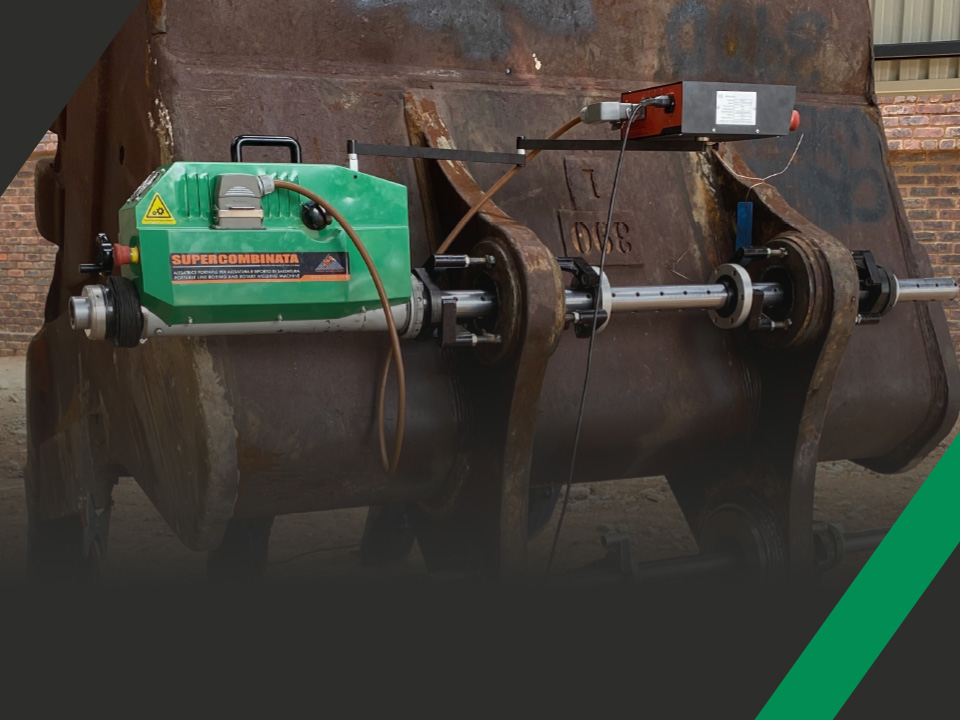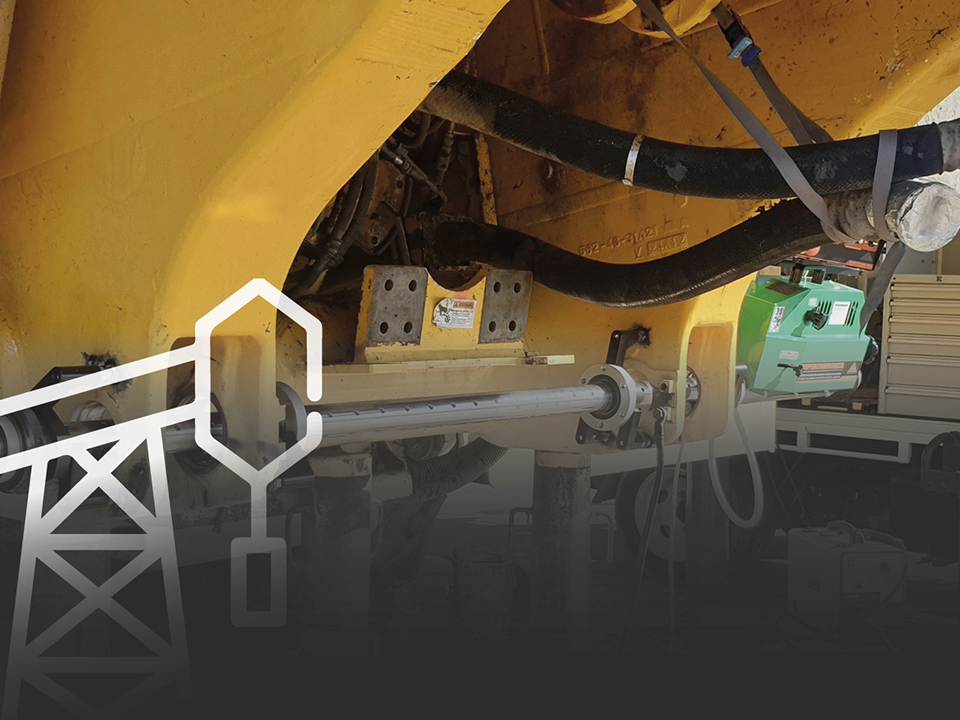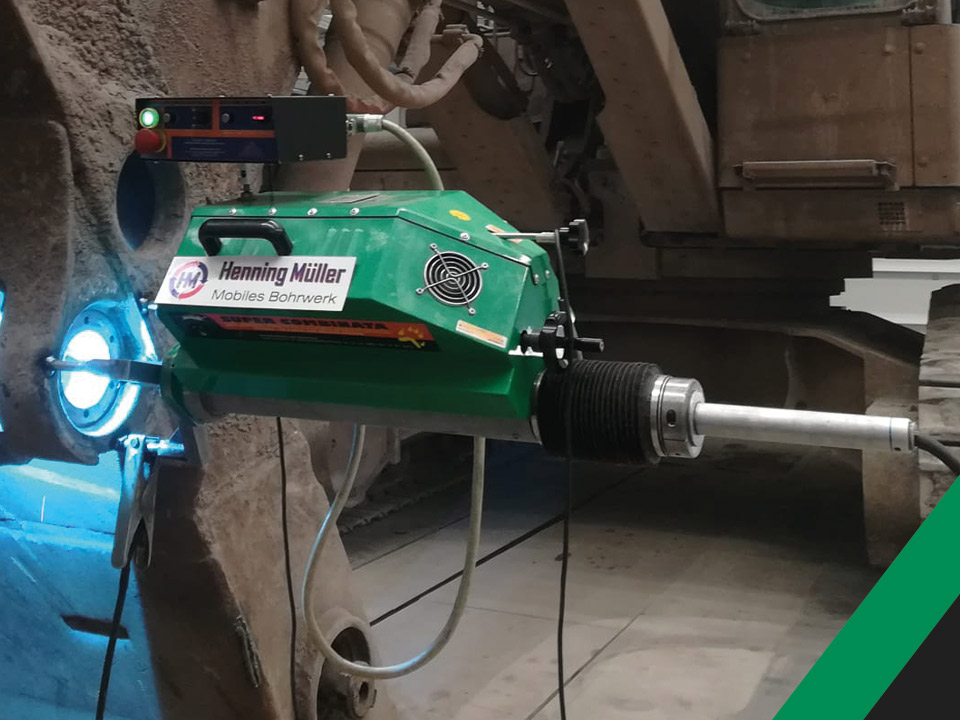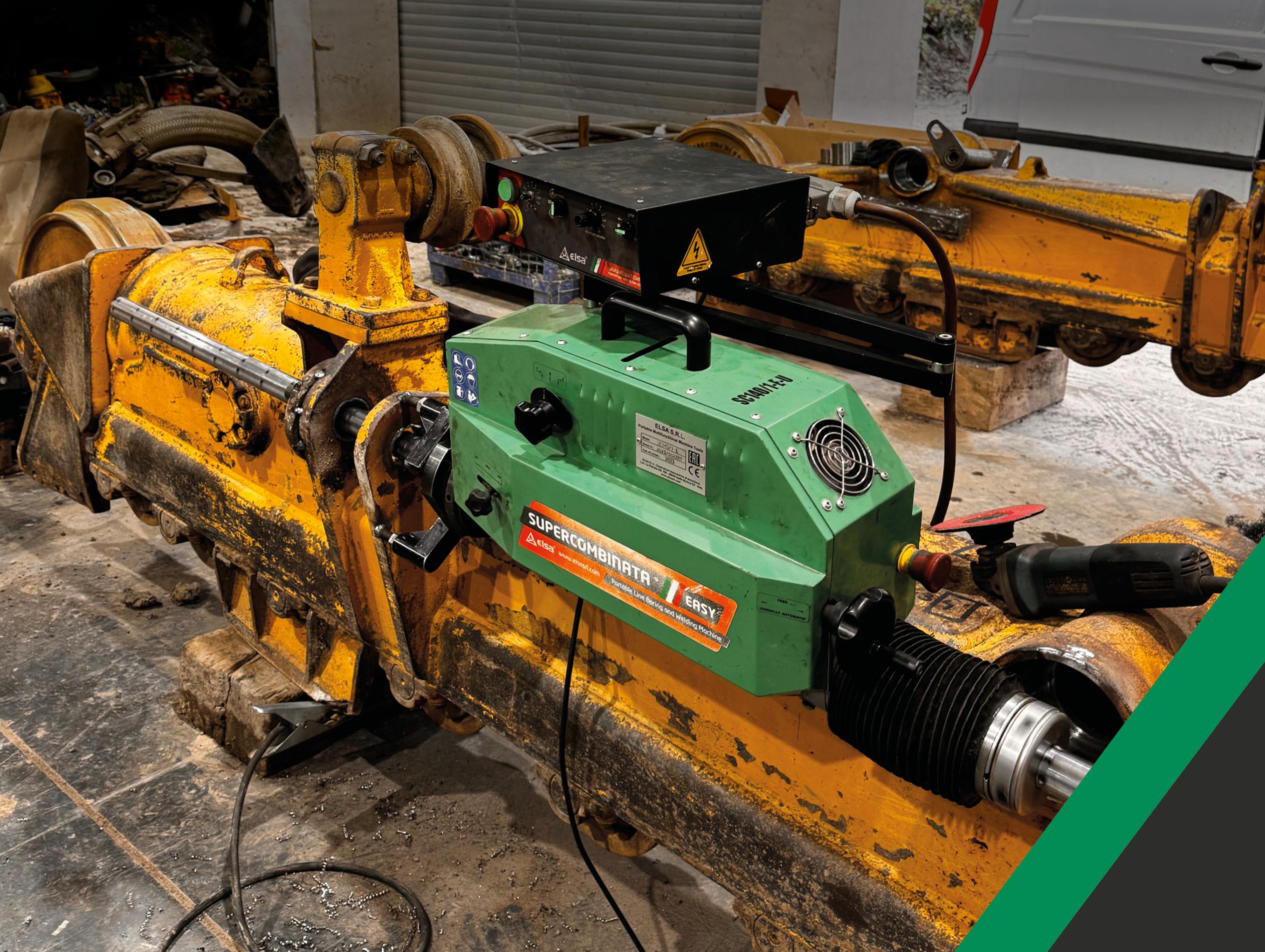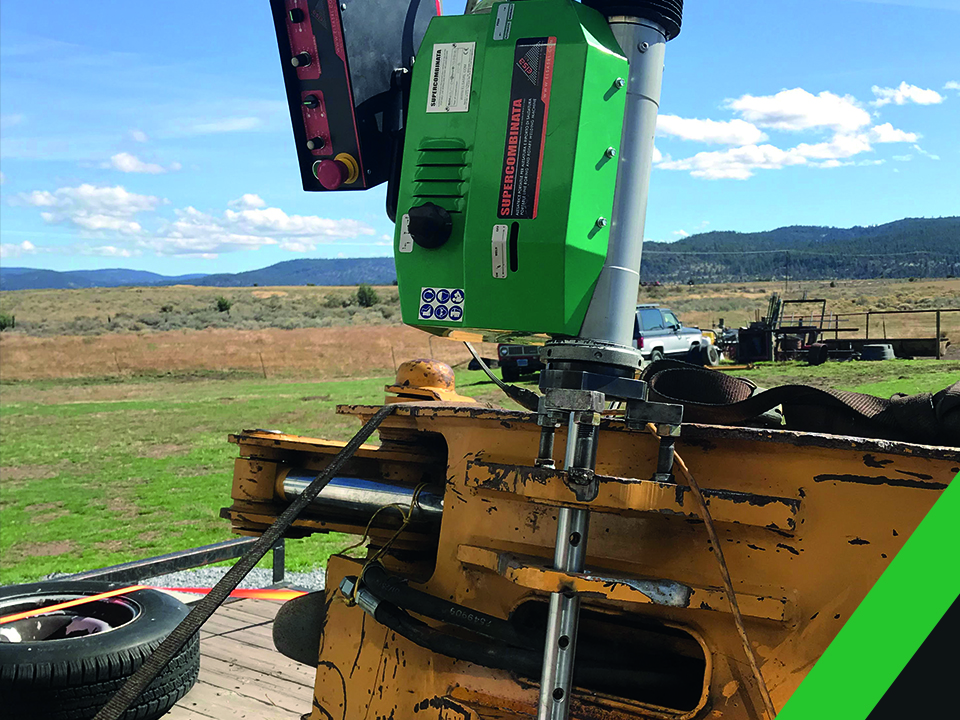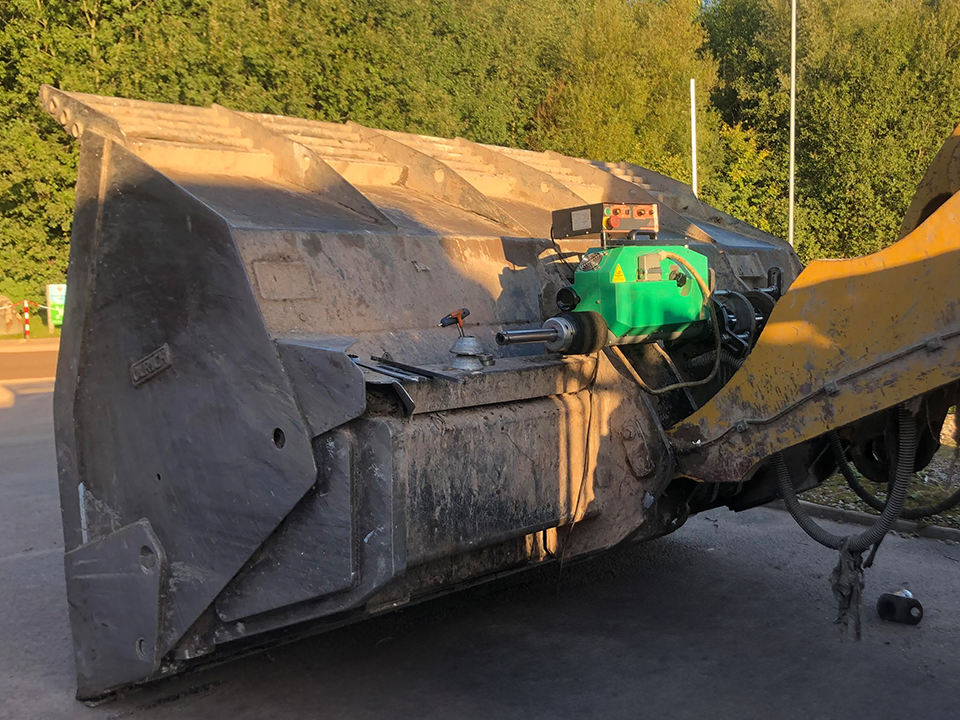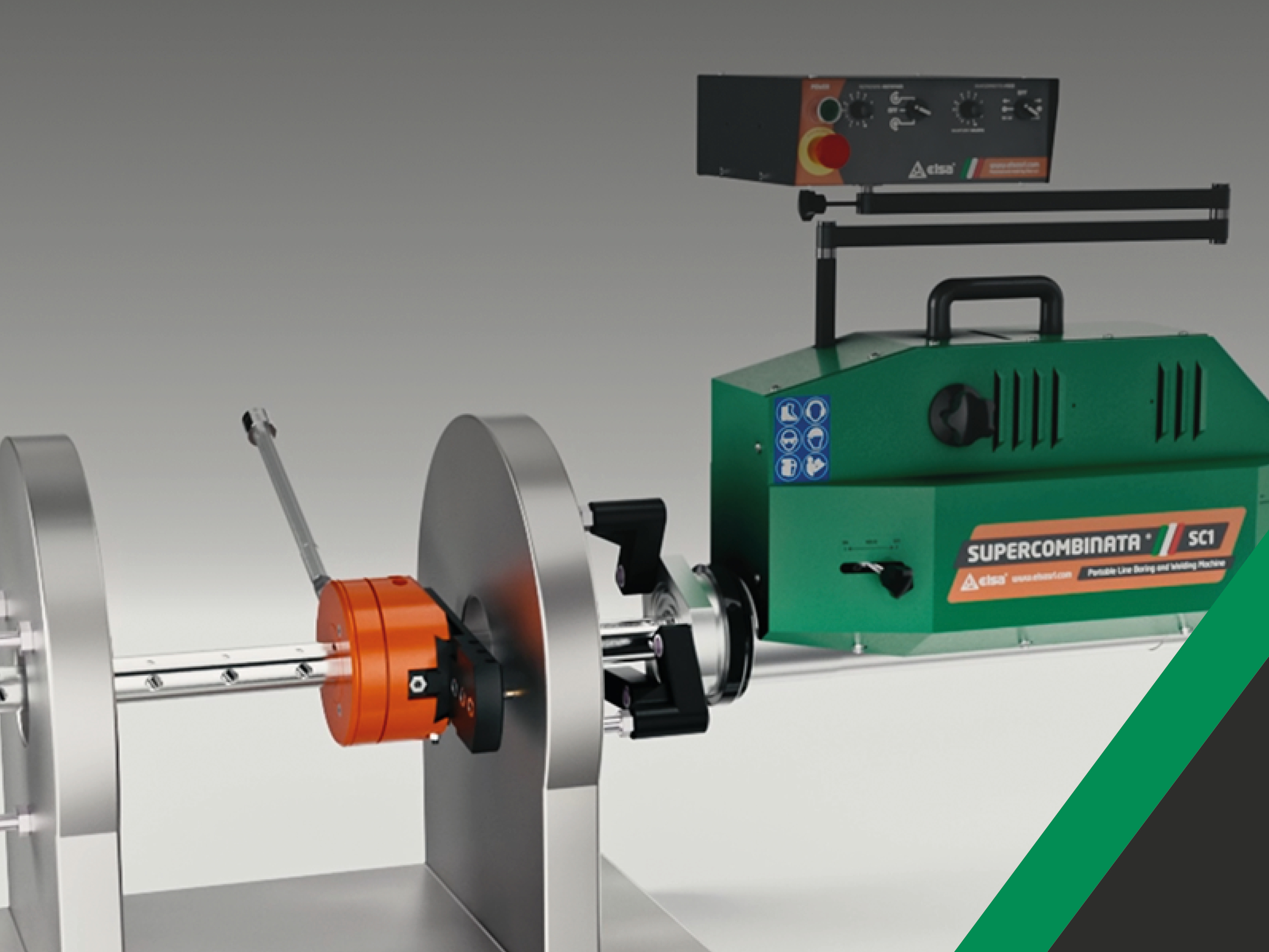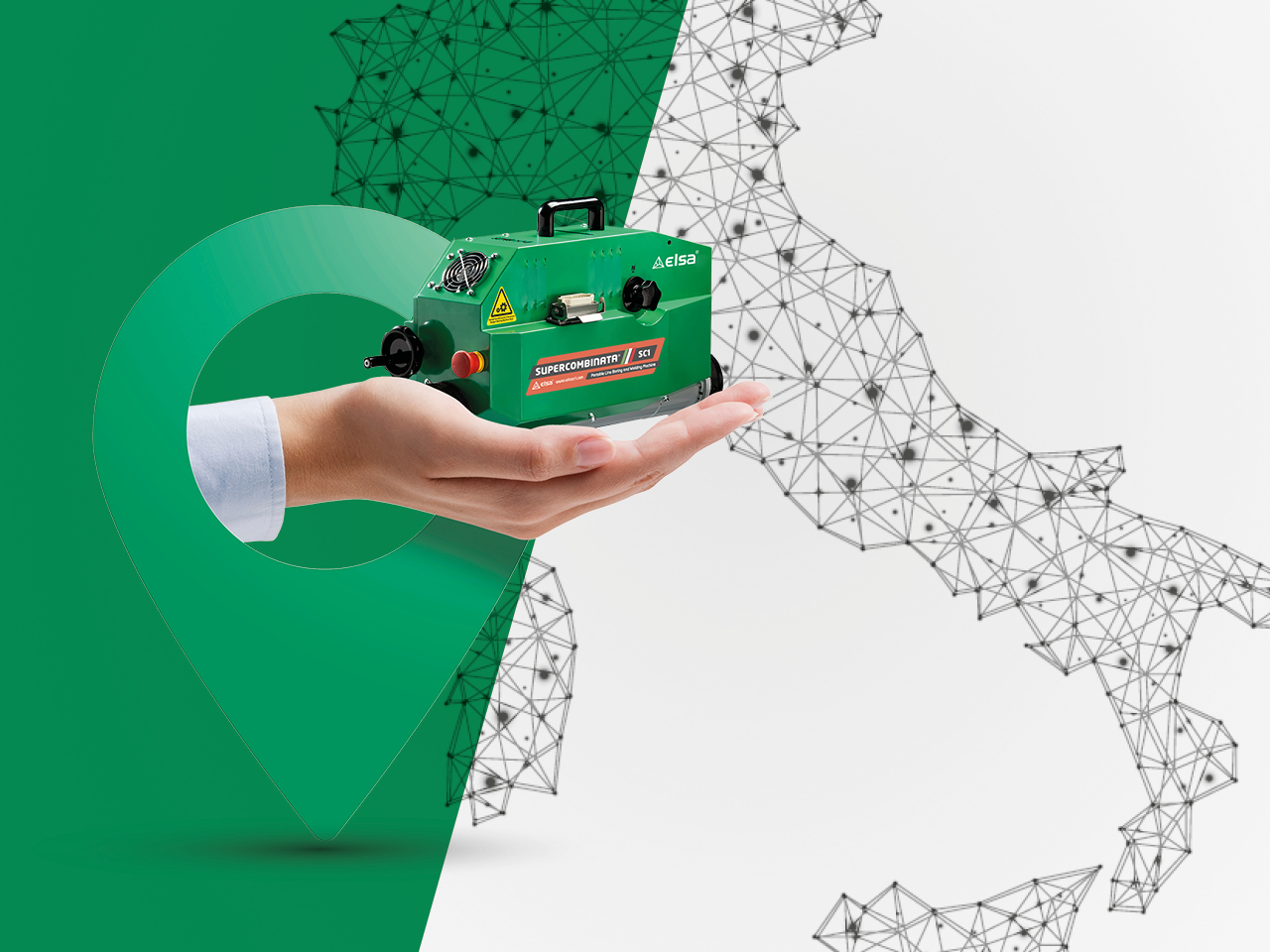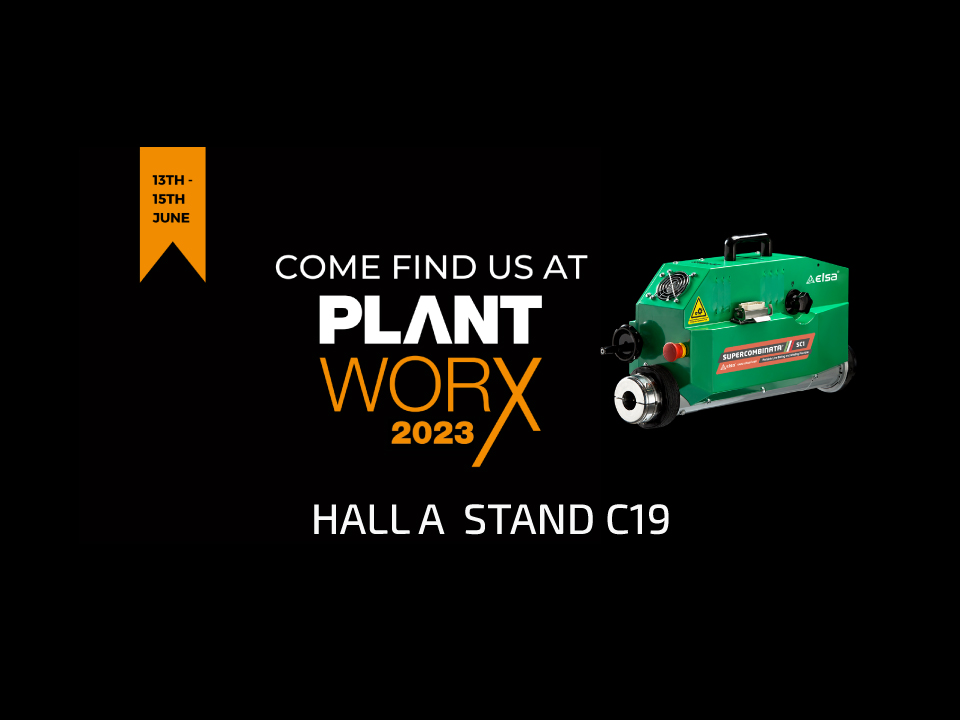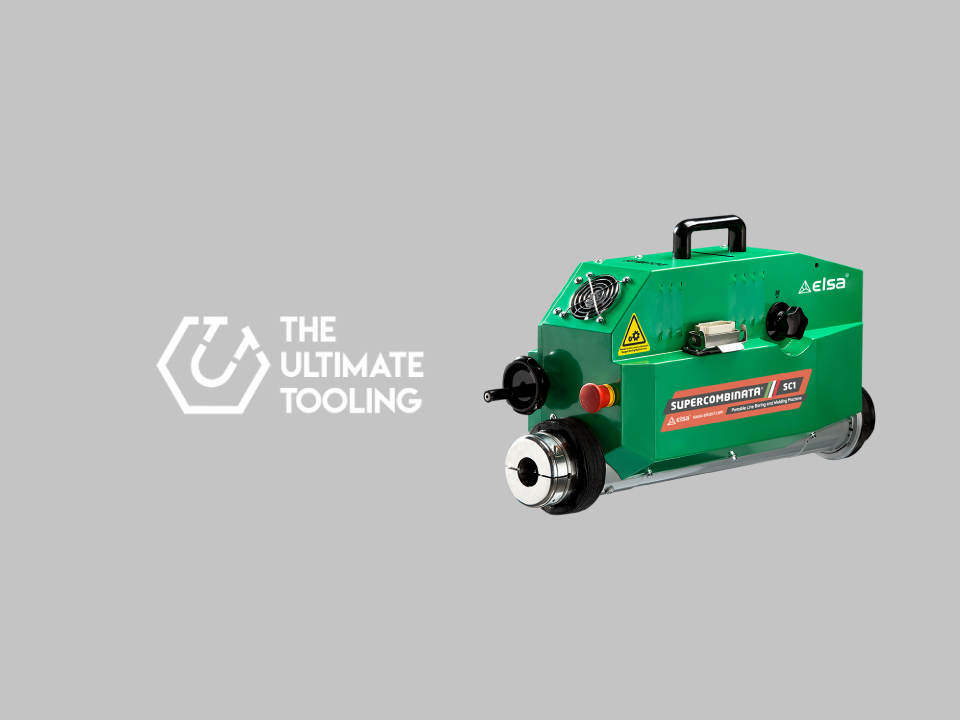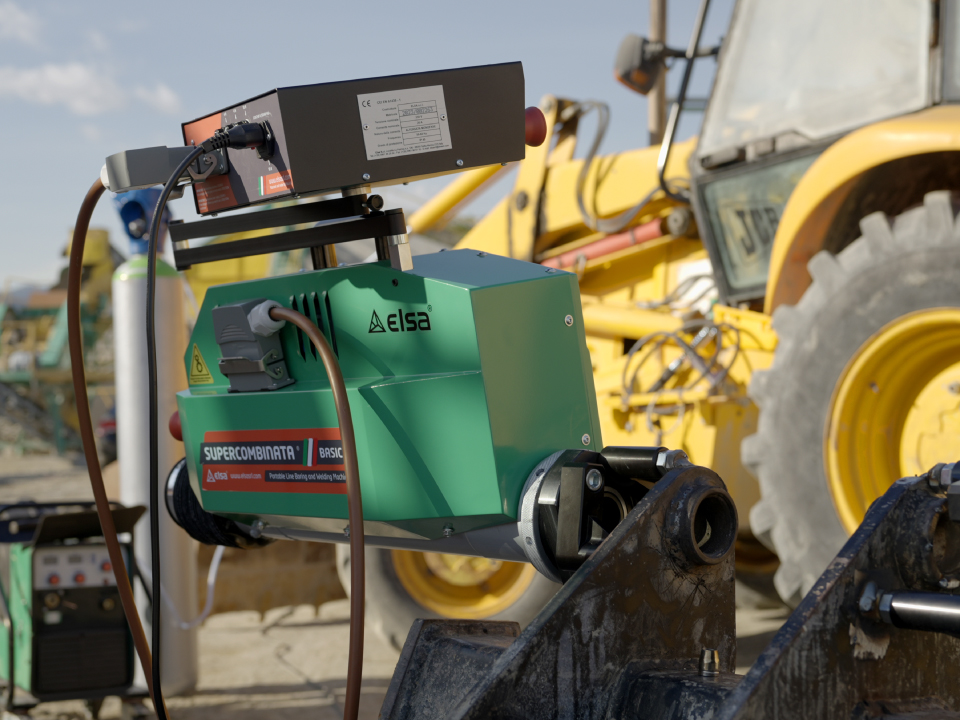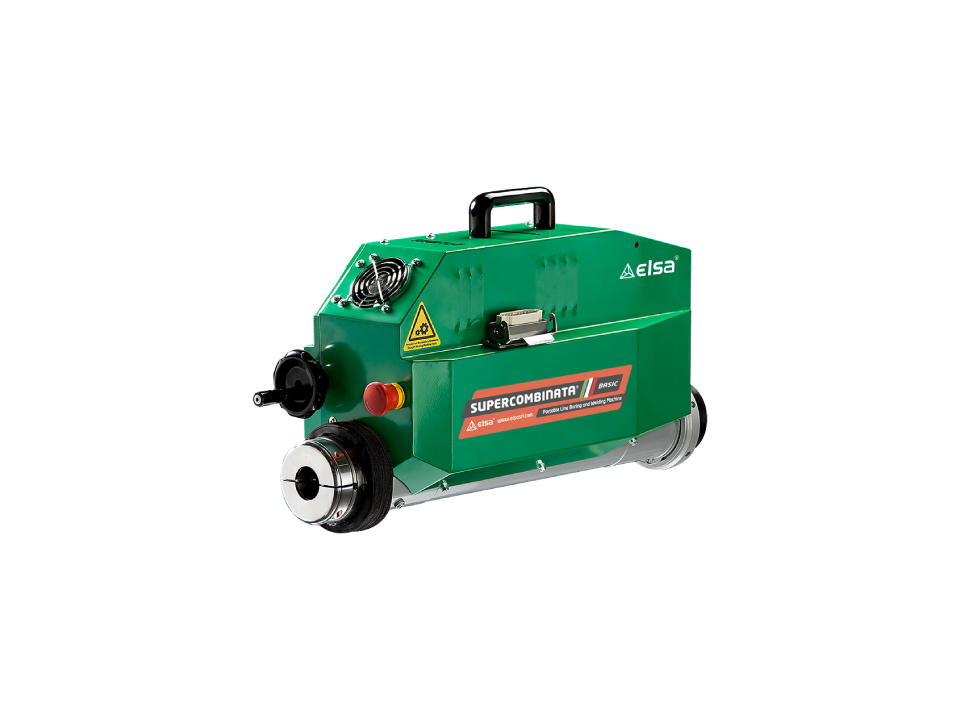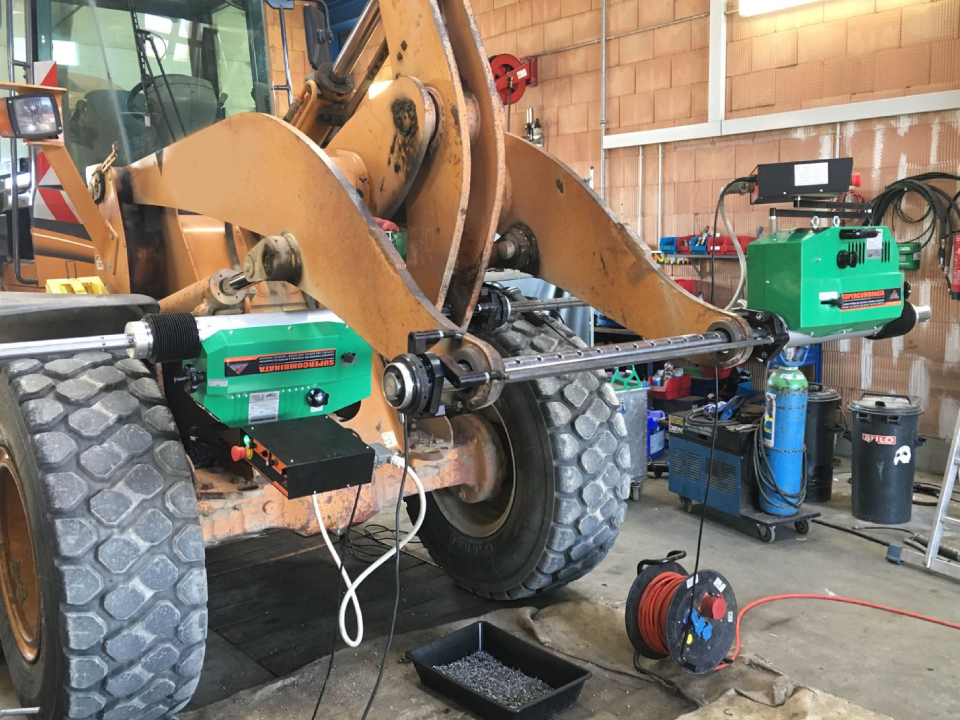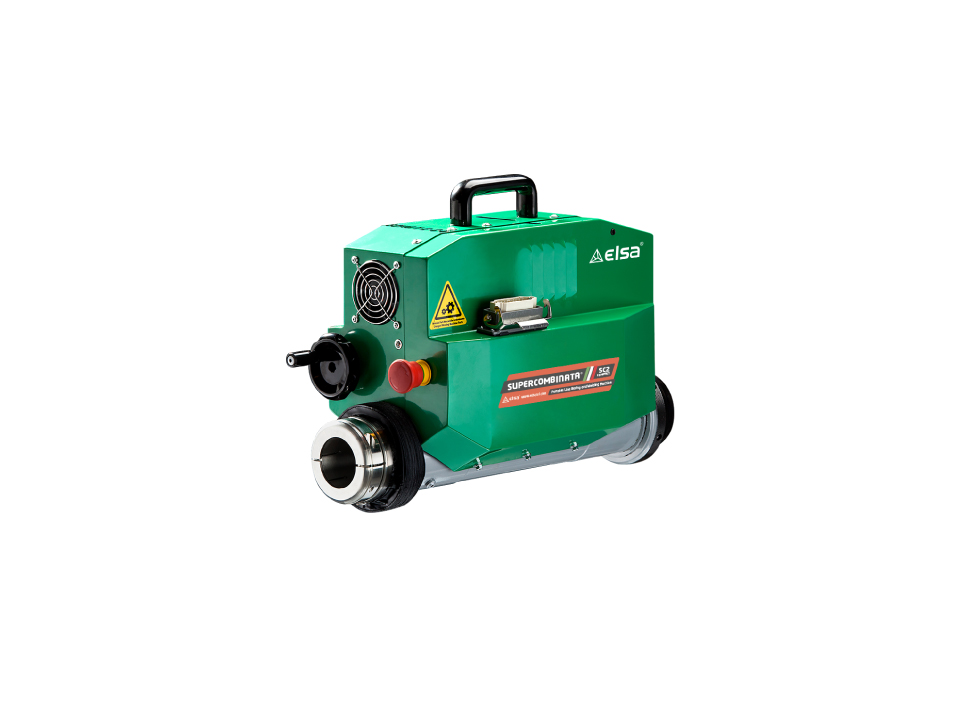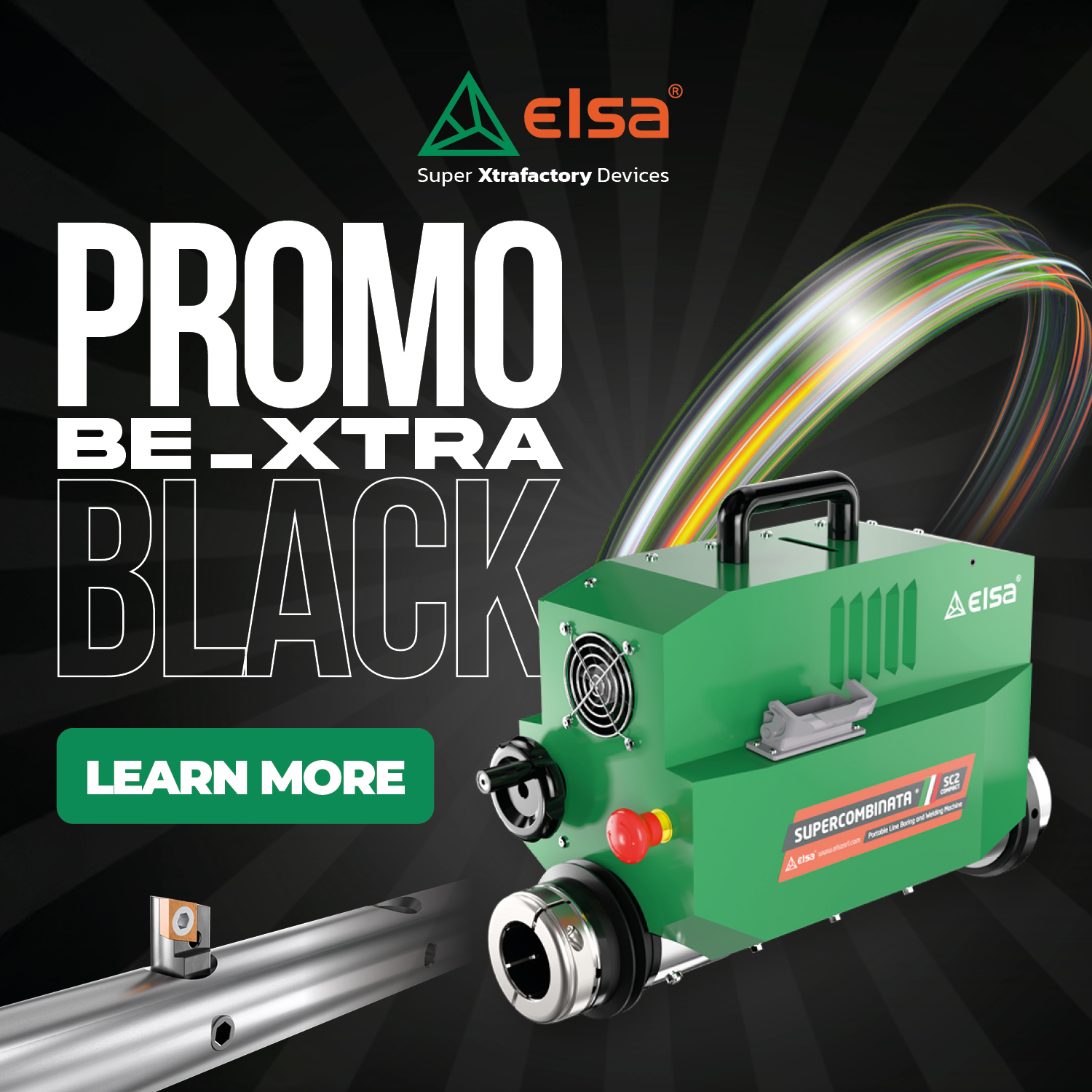










Brunner Spezialwerkstatt used the Supercombinata Elsa to line bore a 12-metric-tonne pulley on site at an altitude of 1,900 metres.
The customers
Brunner Spezialwerkstatt AG stands for genuine Swiss excellence in the fields of precision engineering and state-of-the-art mechanical engineering. With a solid reputation based on its ability to master seemingly insurmountable technical challenges, the company specialises in various critical areas: from the maintenance of complex agricultural machinery to the overhaul of large cable car systems.
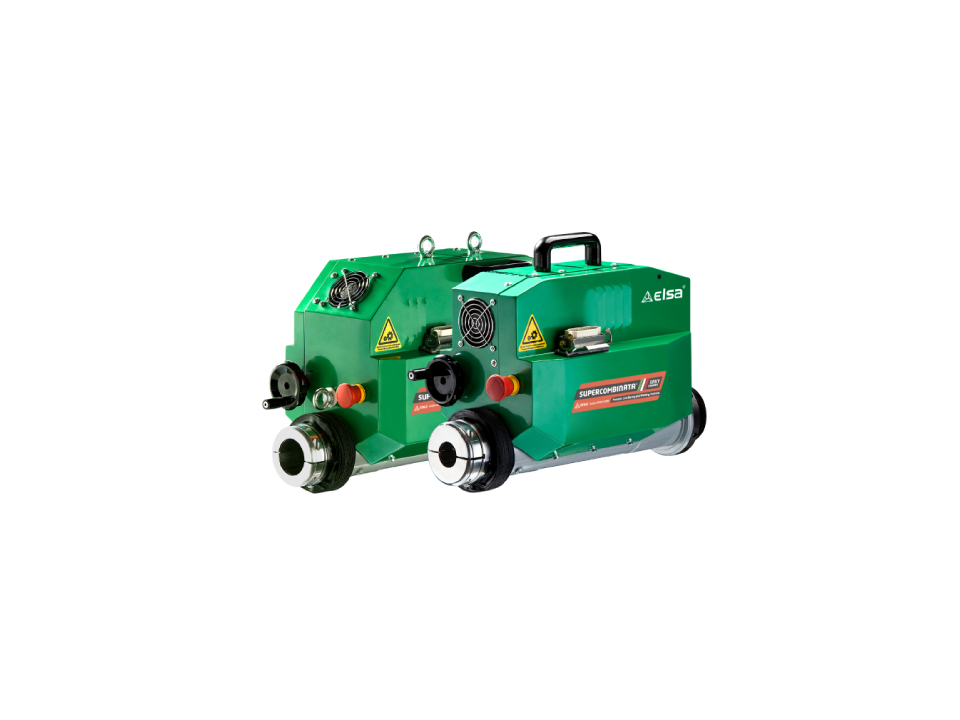
Operating in the heart of the Alps, Brunner Spezialwerkstatt has developed unique expertise in carrying out operations under extreme logistical conditions. As officially documented in November 2025, its work extends to places where conventional workshops reach their limits, bringing on-site machining technologies directly to high altitudes. The partnership with Elsa Srl and the use of the ‘Supercombinata’ portable line boring machines have enabled the company to further raise the standard of its services and offer on-site mechanical machining solutions, thereby eliminating the need for heavy transport down to the valley.
Problem to be solved: a 12-tonne challenge
The project covered by this case study took place on the Niederhorn, an iconic peak in the Bernese Oberland, where the maintenance of cableway systems is vital for the continuity of local tourism. The technical challenge concerned a return pulley of impressive dimensions: 6 metres in diameter and weighing a total of approximately 12 tonnes.
Wear and tear caused by intensive operating cycles had made extraordinary maintenance of the hub necessary. The project specifications required:
- To line bore and face the hub, which had a diameter of 382 mm.
- To adhere to millimetre-level tolerances to ensure perfect alignment of the rotation system.
The real challenge was not just mechanical, but logistical. Moving a component weighing 12 tonnes and measuring 6 metres in diameter from the summit of a mountain to a conventional workshop would have been an operational nightmare. The costs associated with taking the plant off-line, hiring specialised cranes and organising exceptional transport operations on mountain roads would have far exceeded the planned budget, making the operation economically unviable.
The Solution
To overcome these obstacles, Brunner’s Spezialwerkstatt for on-site repairs, relying on technology from Elsa Srl. Based on the technical data provided by Elsa, the Brunner team planned the operation with the utmost engineering precision and transformed the high-altitude construction site into a high-precision centre.
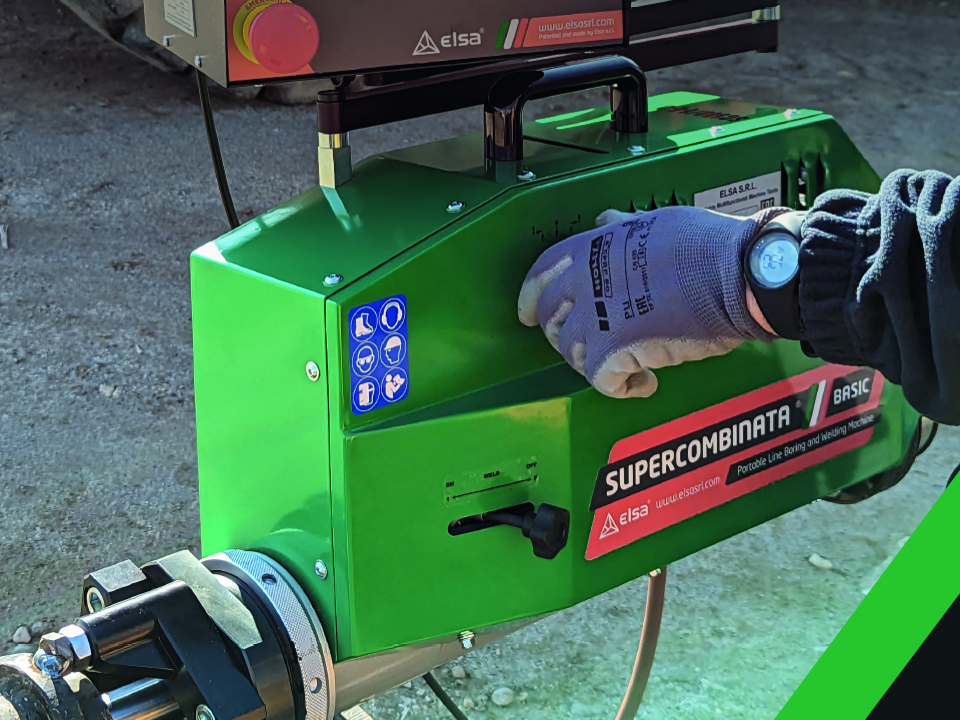
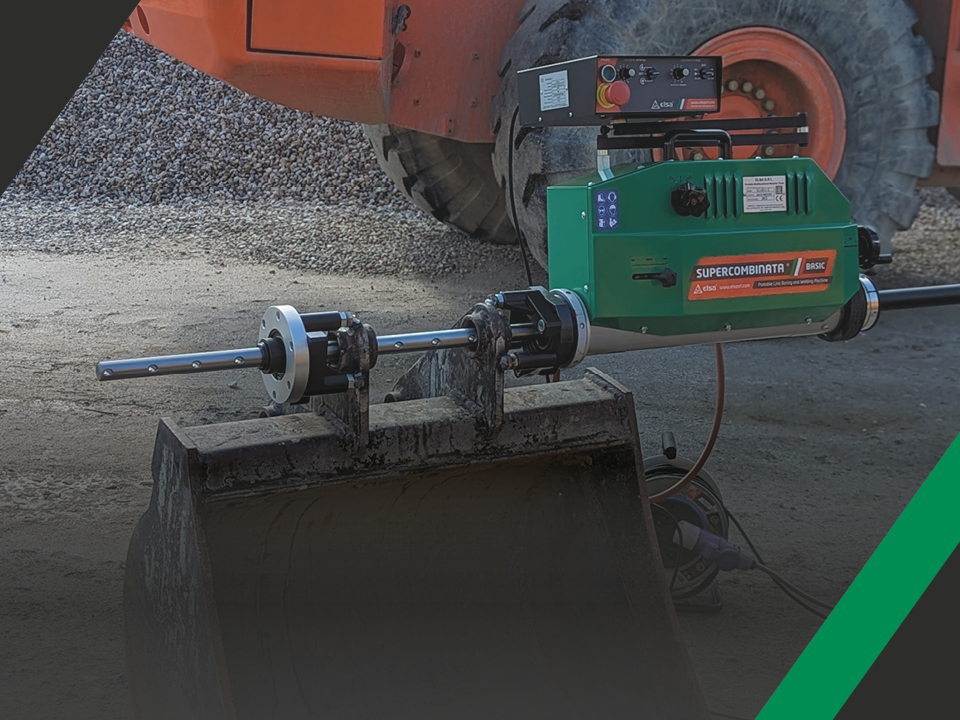
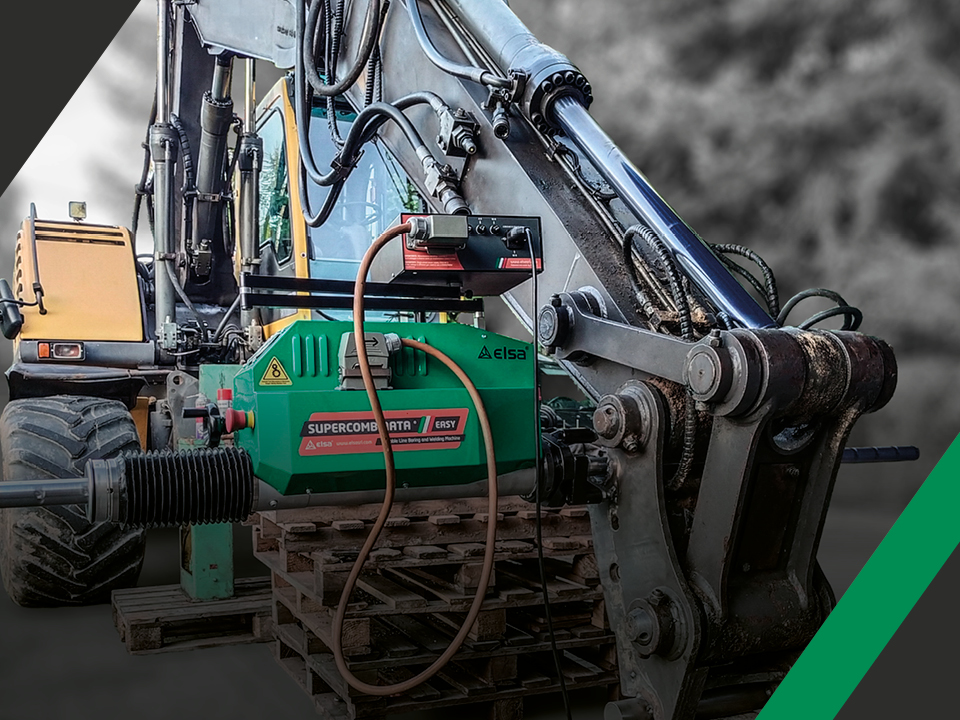
The use of the Supercombinata enabled the technicians to:
- Simulate the setup: Thanks to the data got from Elsa Srl, the mounting points and the machine’s configuration in relation to the pulley could be planned with millimetre precision.
- Avoid unforeseen issues: Identify in advance any space constraints or the need for special clamping devices.
- Ensure stability: Determine the optimal positioning to ensure that vibrations during machining were reduced to zero – a crucial factor when machining an assembled structure.
Procedure
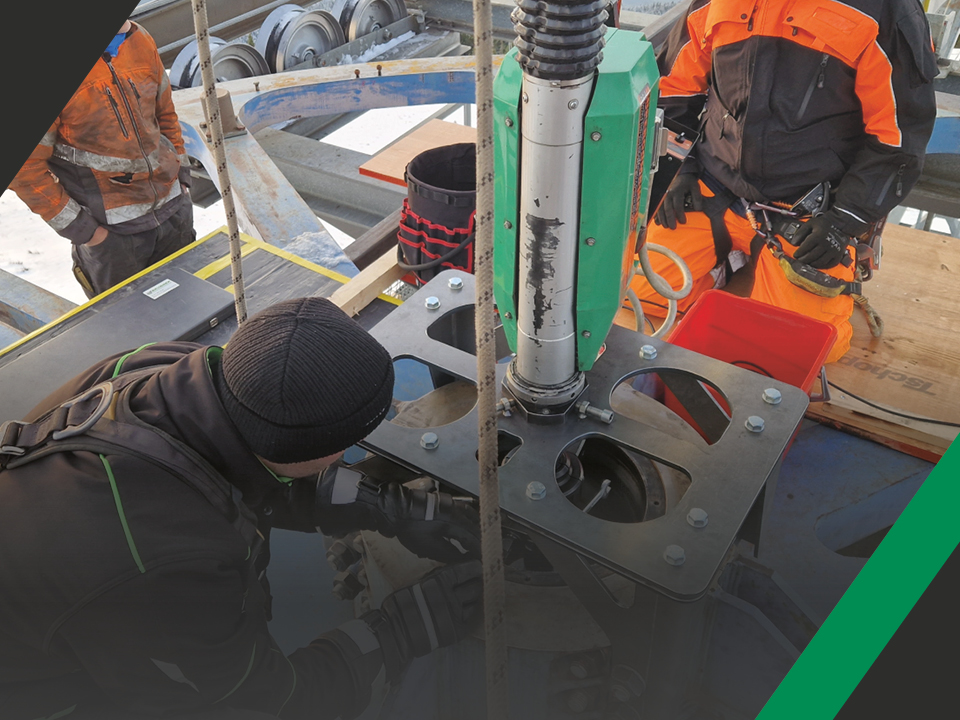
The execution of the work was a masterpiece of coordination. As the site at the summit of the Niederhorn was completely inaccessible to heavy machinery by land, precise air logistics were required.
- Air logistics: All the materials were transported by helicopter. In this context, planning proved to be crucial: every kilogramme transported and every flight incurred high costs; there was no scope for unnecessary equipment or shortcomings.
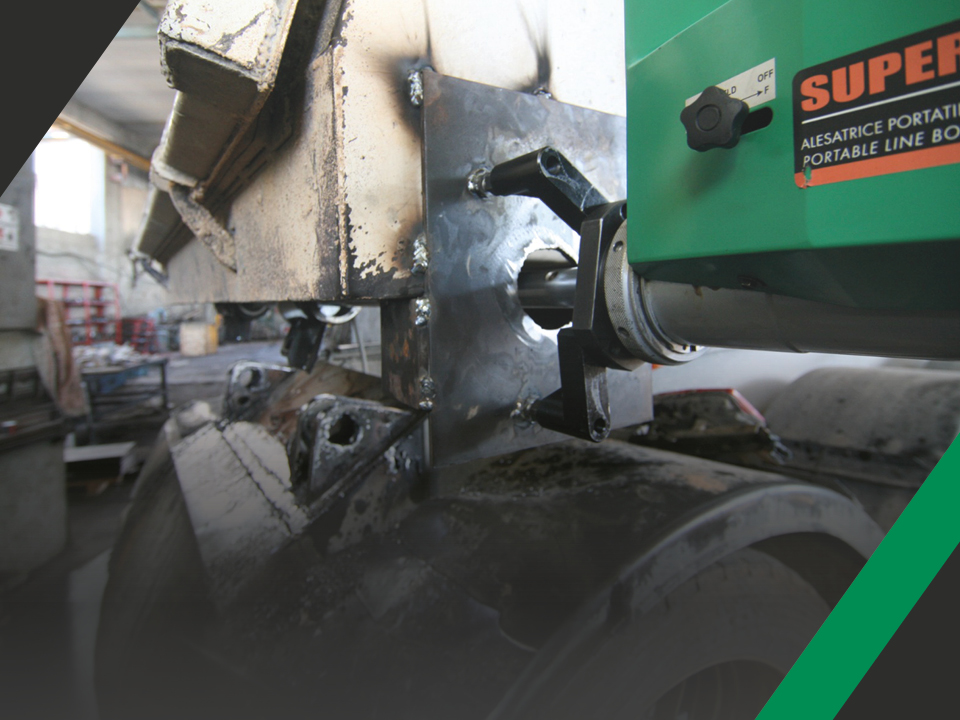
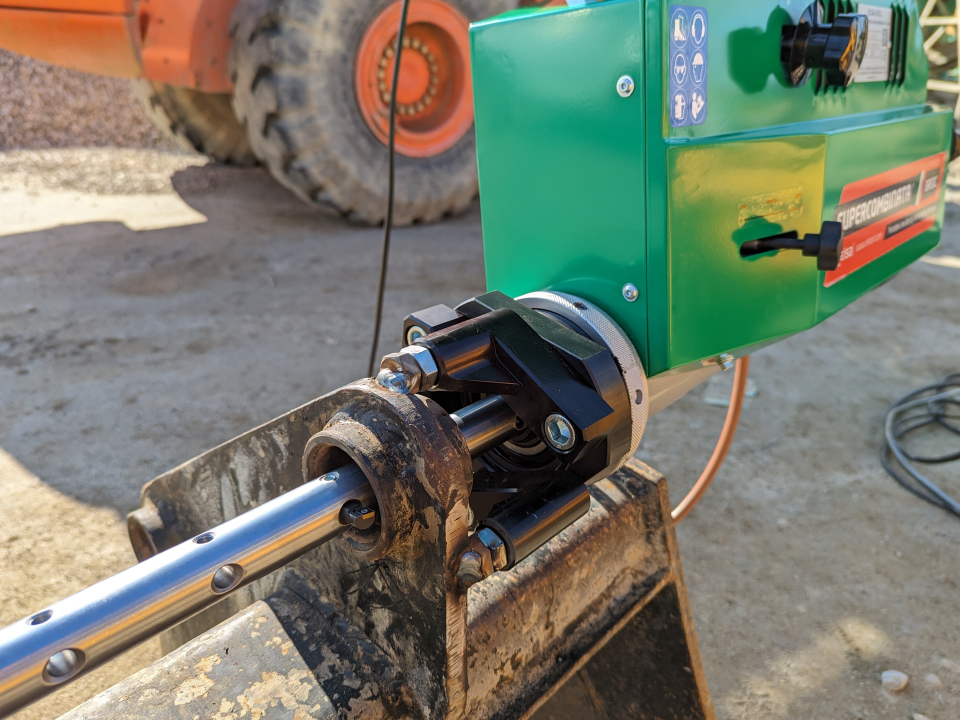
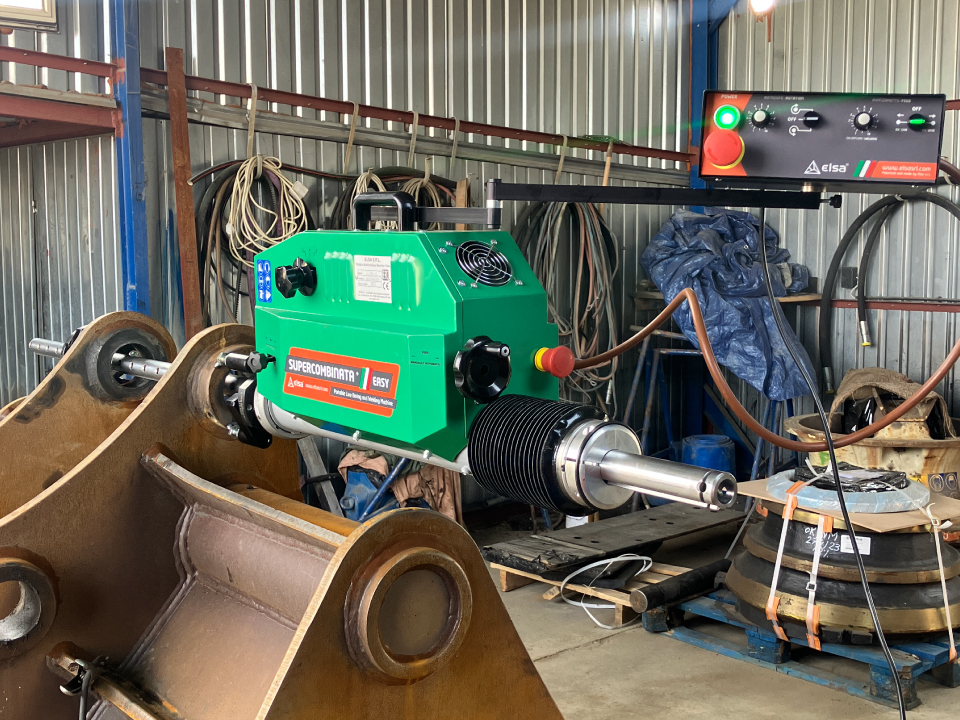
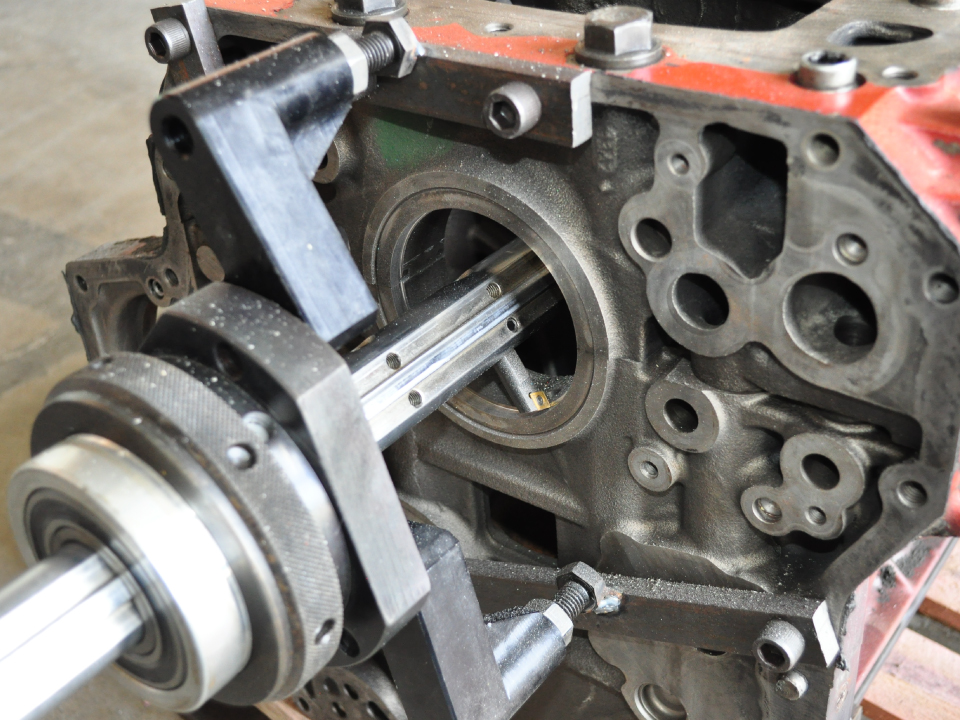
- On-site setup: Once at the summit, the Supercombinata was anchored directly to the body of the 6-metre-tall rope pulley. This configuration made it possible to use the rope pulley itself as a base, thereby ensuring perfect alignment with the original axis of rotation.
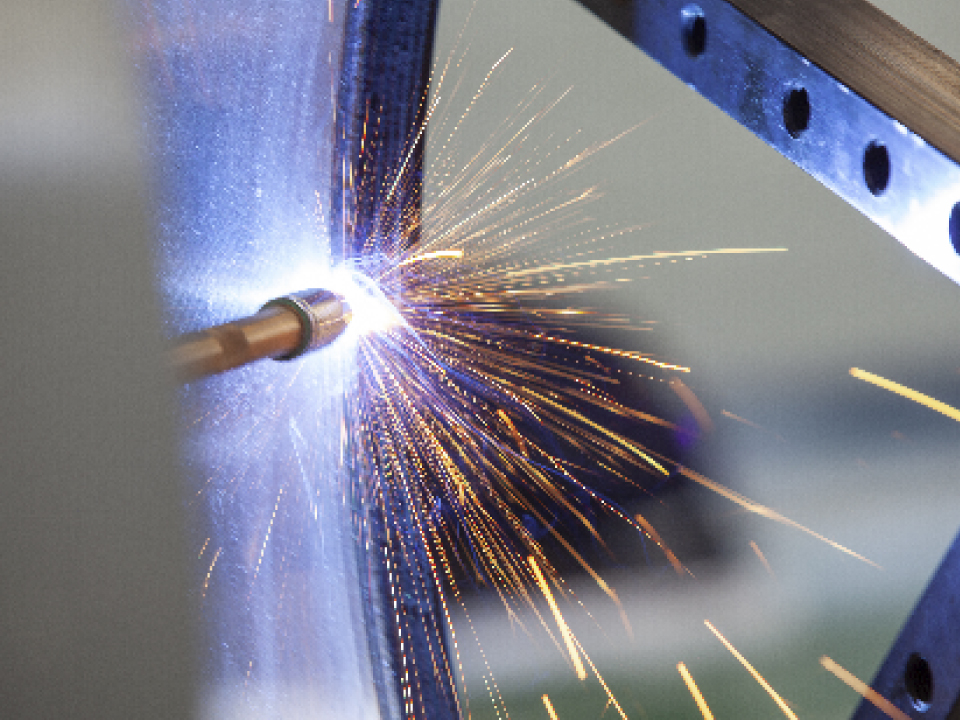
- Mechanical machining: The technicians carried out boring and face turning on the 382-mm hub. The machine removed the worn material in precise passes, corrected surface deformations and restored the workpiece’s geometry to its original condition.
Results Achieved
The results of the job carried out at the Niederhorn have confirmed the validity of the technical decision and delivered tangible benefits in several respects:
- Economic benefit: The savings for the client were enormous. The total costs of dismantling the structure and the subsequent heavy-haul logistics, which would have required several weeks’ work, were avoided.
- Absolute precision: Despite the environmental conditions (wind and altitude), the hub was perfectly realigned to the factory specifications, thereby ensuring the smooth and safe operation of the installation.
Conclusion
The success of the operation at the Niederhorn represents a milestone for modern maintenance in mountainous regions. It demonstrates that, thanks to the further development of mobile machine tools, the boundaries between machine workshops and on-site construction sites have now been broken down.
The combination of the technical expertise of Brunner’s Spezialwerkstatt and the reliability of the Supercombinata from Elsa Srl has once again proved to be the benchmark for all those who need to operate critical infrastructure in geographically challenging environments. Precision is no longer the preserve of traditional workshops, but can be successfully taken right to the summit of a mountain.