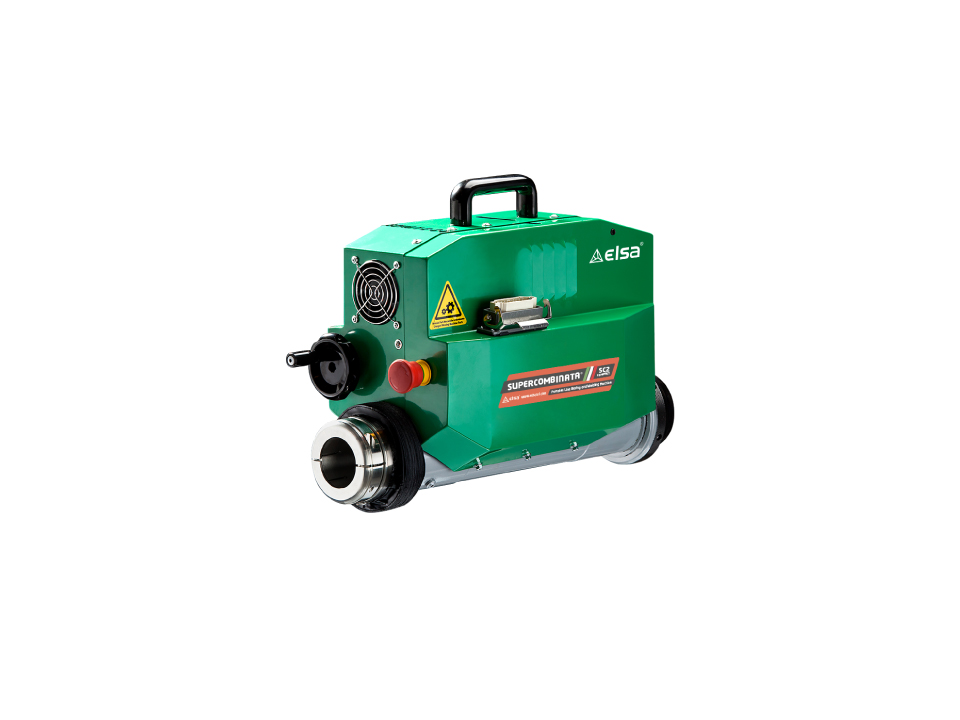








Find out how the Supercombinata SC2 Compact mobile line boring machine eliminated the ovalisation of a bolt’s bushing seat at a paper mill. With over a decade of experience, Lenik Wytaczanie is a leading name in high-precision machining in Poland. The company specialises in the on-site reconditioning of worn bores and critical components in construction machinery and industrial plant.
The mechanical challenge: wear and ovalisation in paper rolls
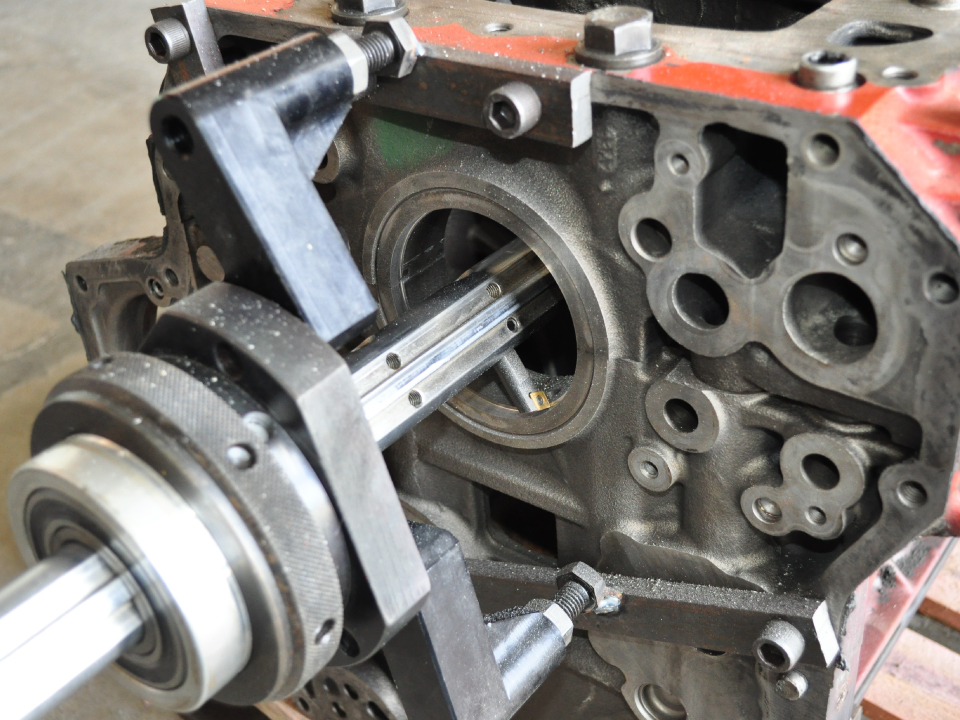
In recycling and material processing plants, machinery is subjected to constant stress, the effects of abrasive substances, high levels of dust and constant vibrations. In this context, whilst carrying out maintenance work on a paper machine used for paper production and recovery, the technicians identified a critical problem: wear and ovalisation of the bushing seat for the bolt in the roll feed systemIn rotary and drive roller systems, ovalisation can lead to mechanical play, unusual vibrations and the very real risk of the entire kinematic system seizing up. Removing the entire roller assembly and transporting it to a conventional machine shop would have required complex logistical arrangements and several days’ plant downtime, which would have resulted in financial losses given the continuous nature of production.
The solution: On-site machining with the Supercombinata SC2 Compact
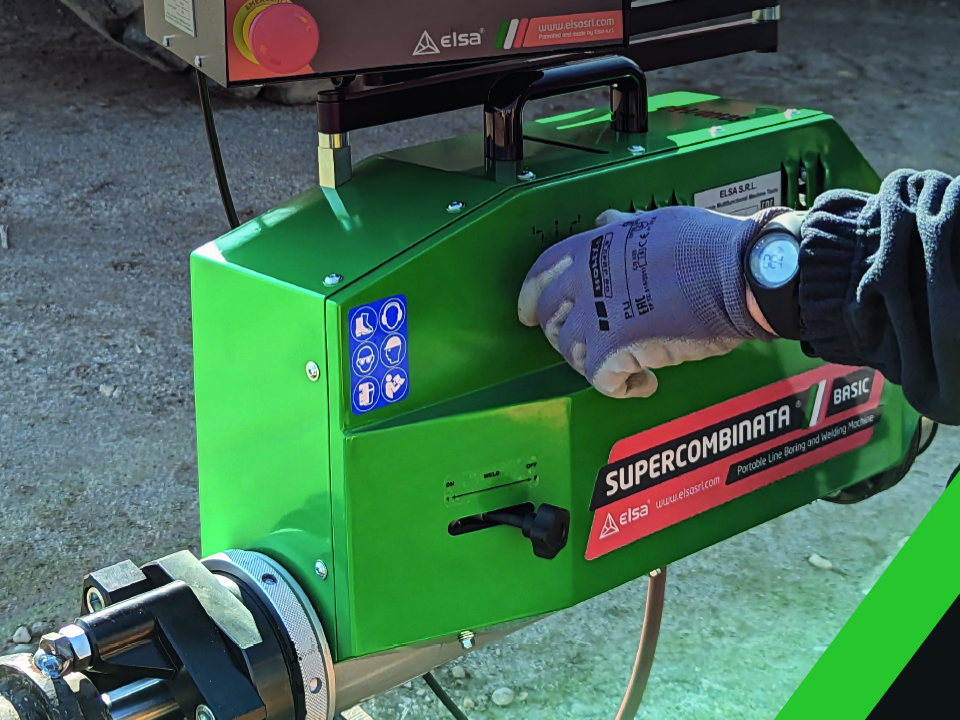
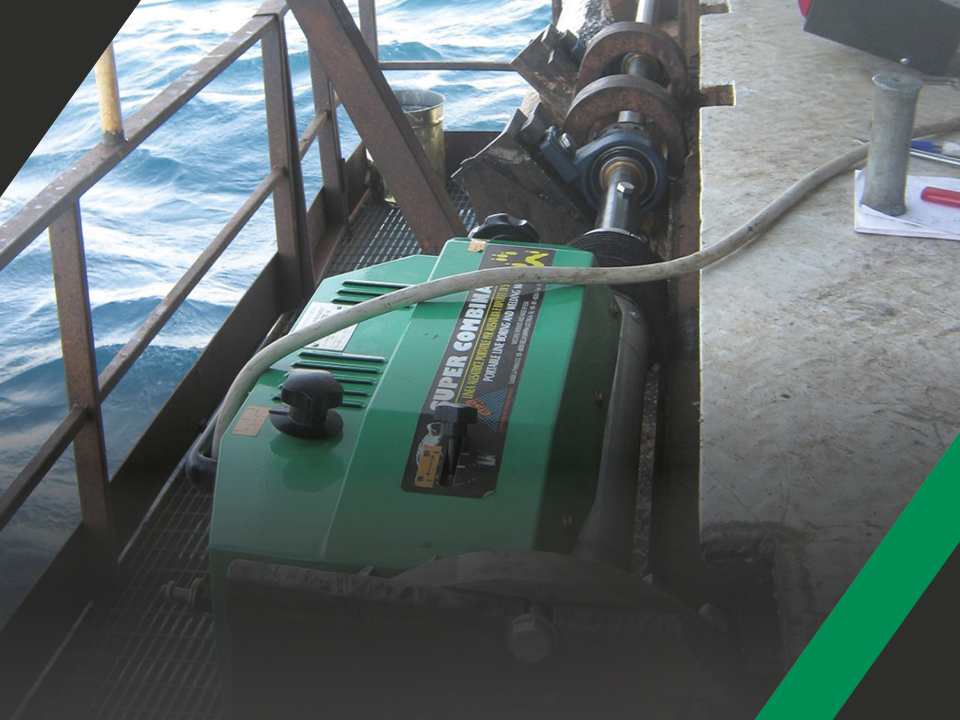
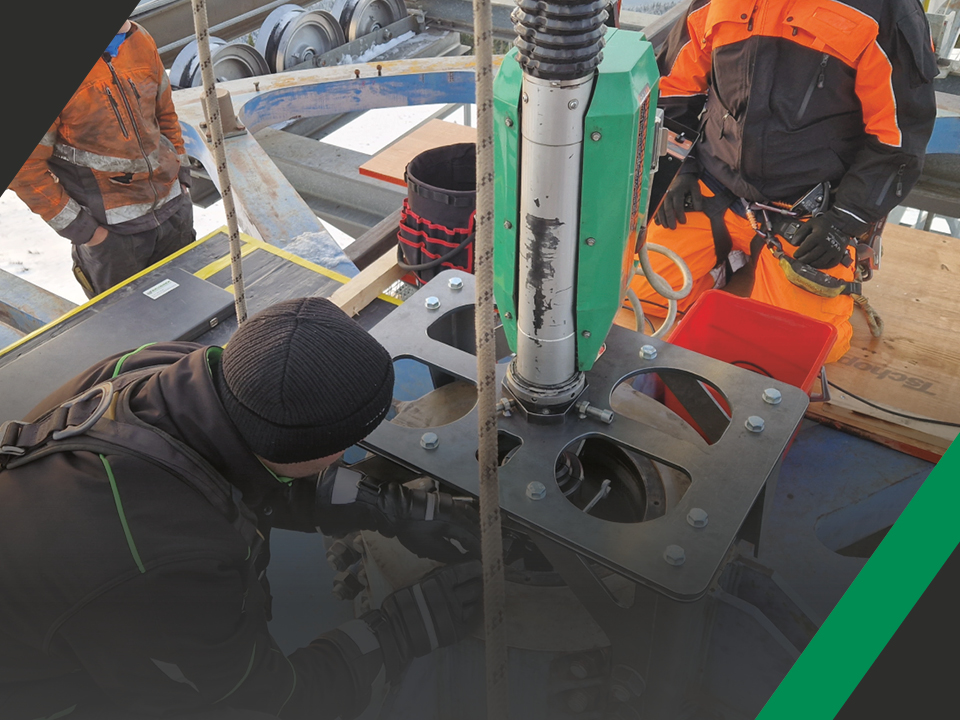
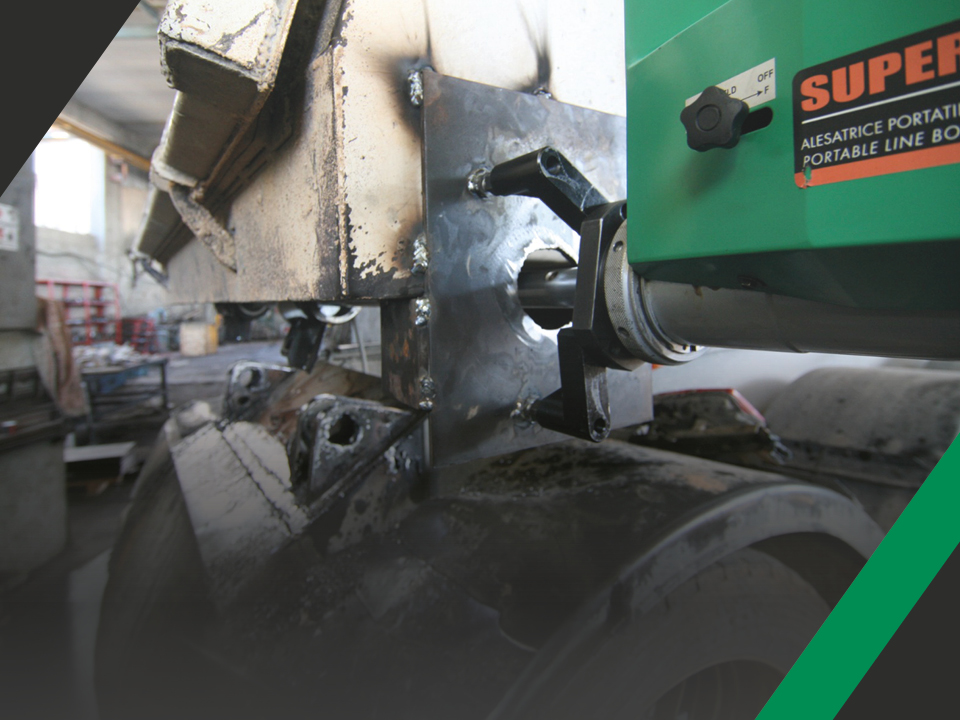
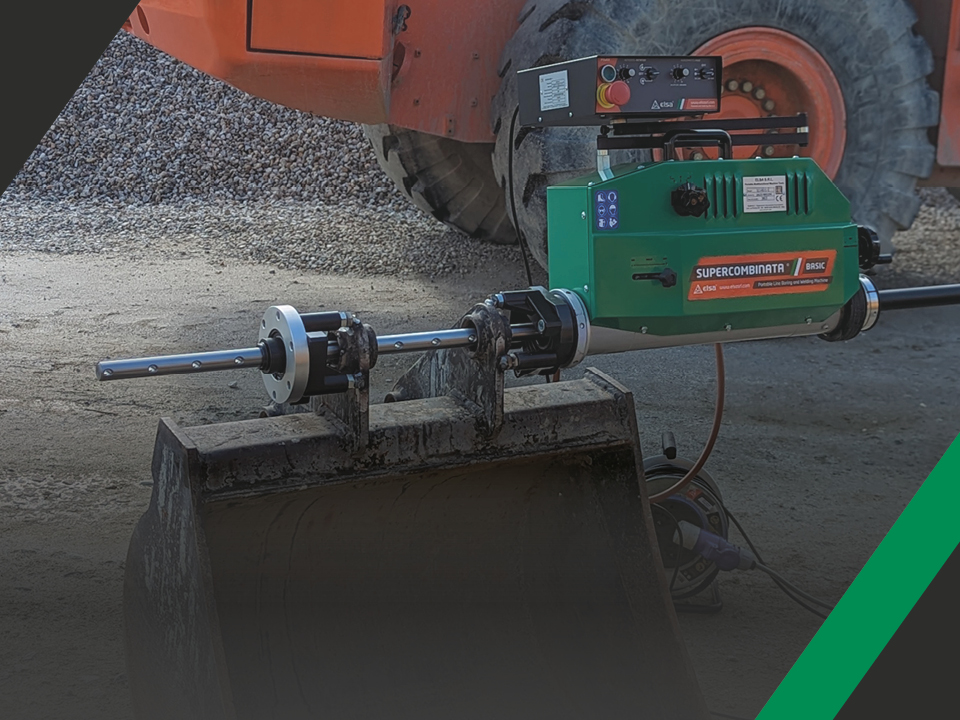
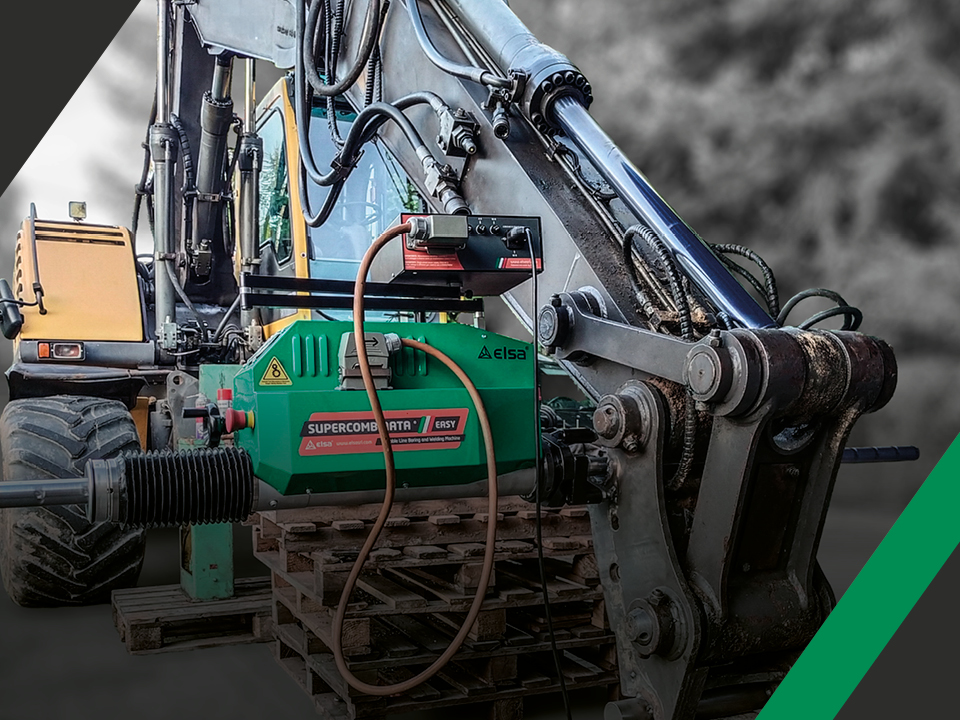
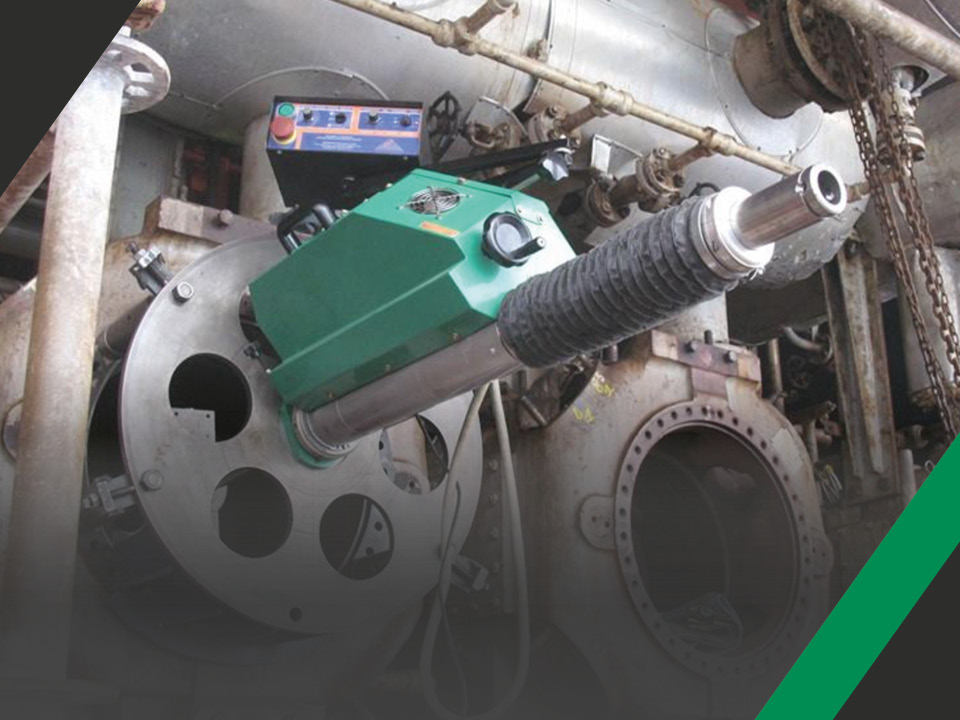
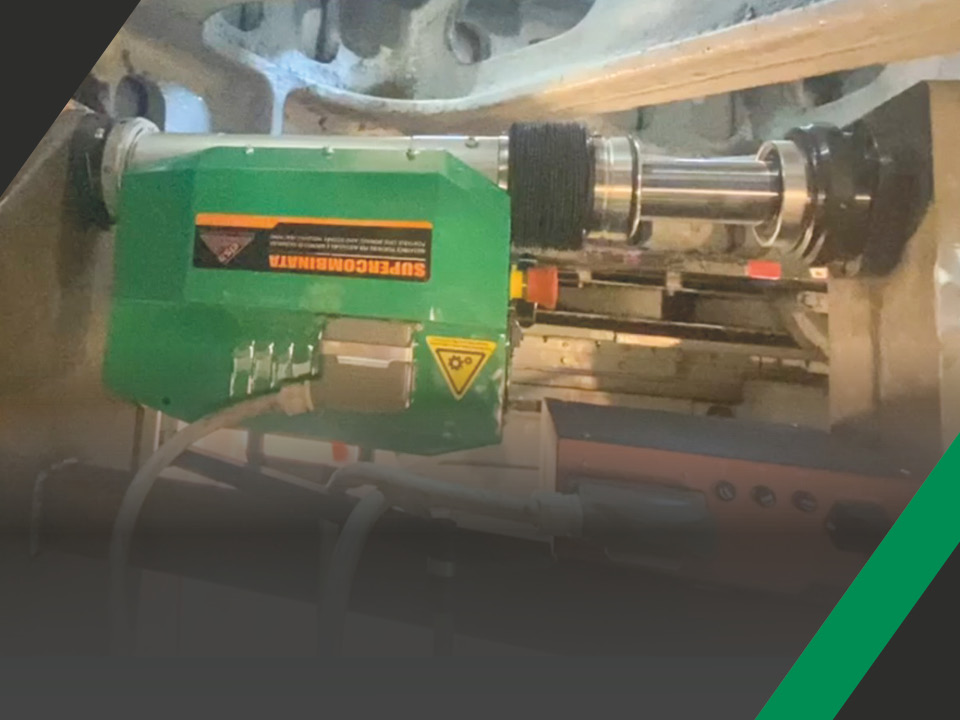
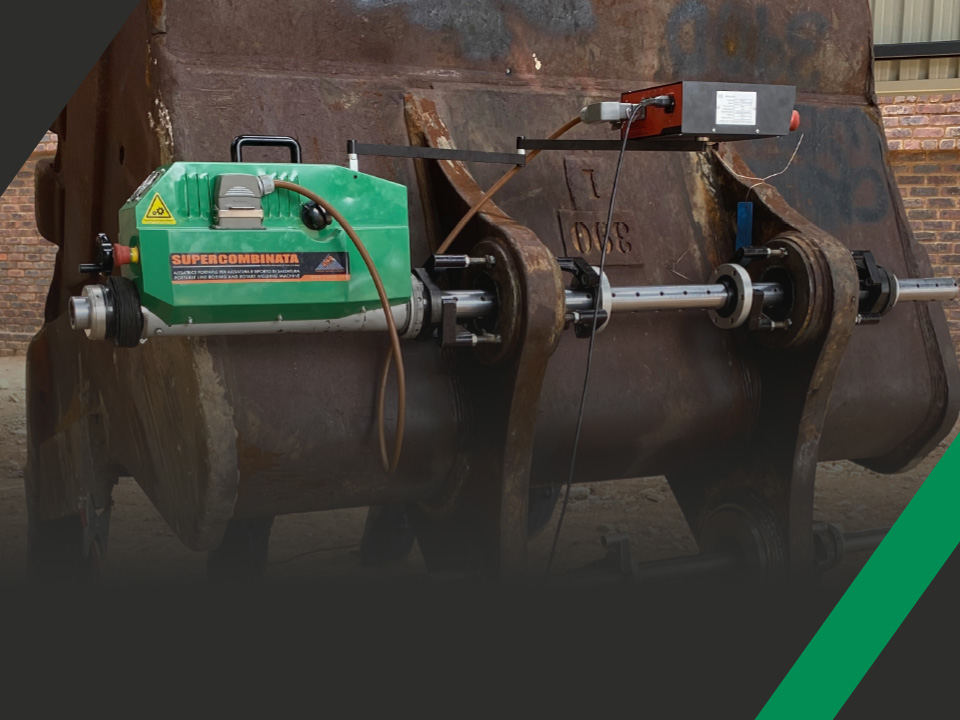
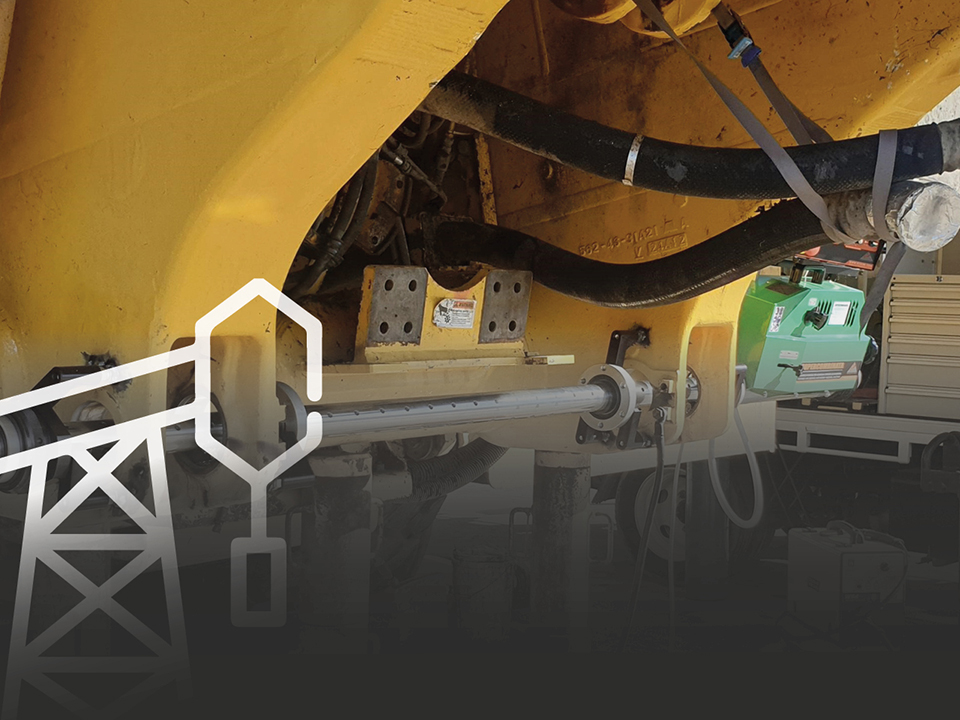
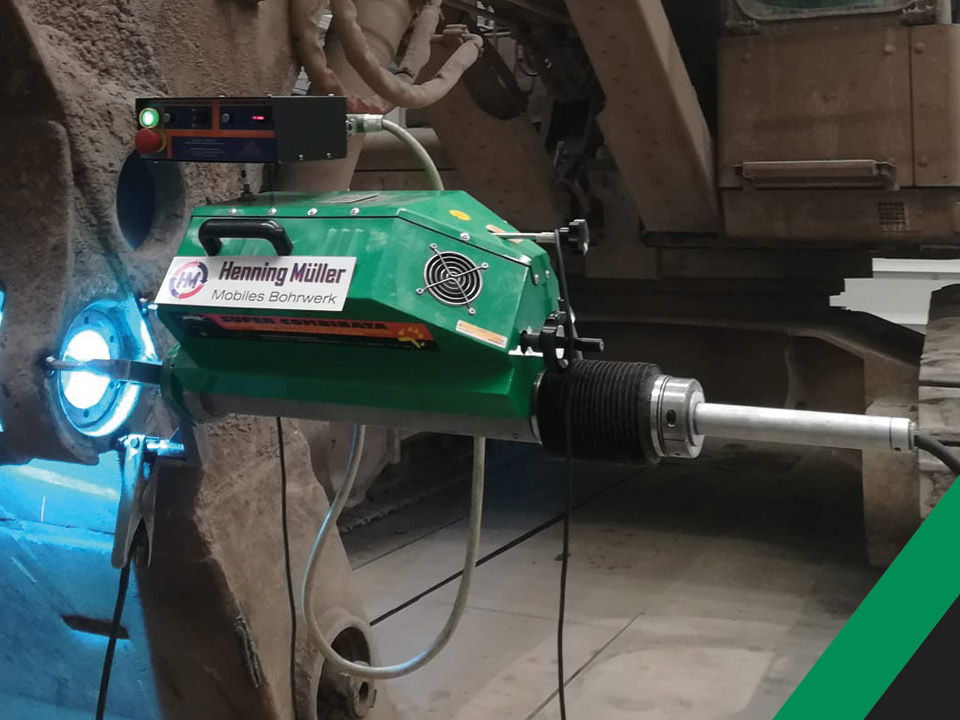
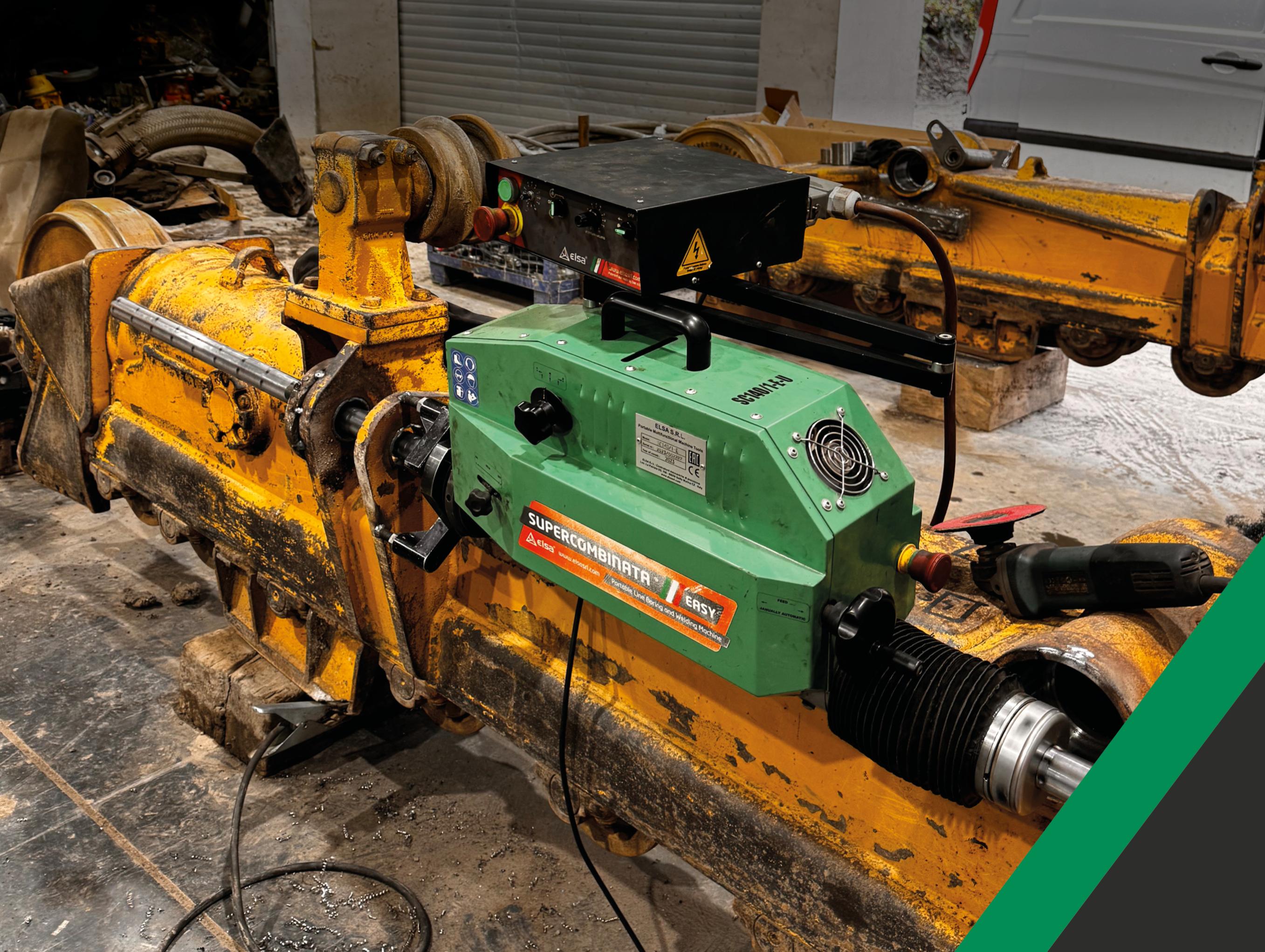
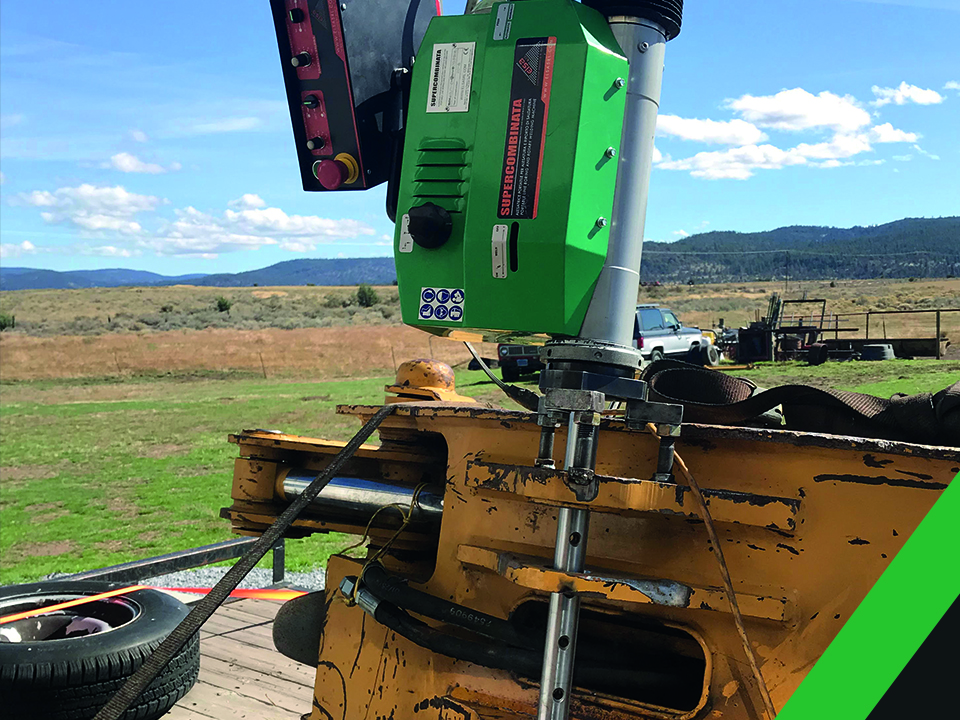
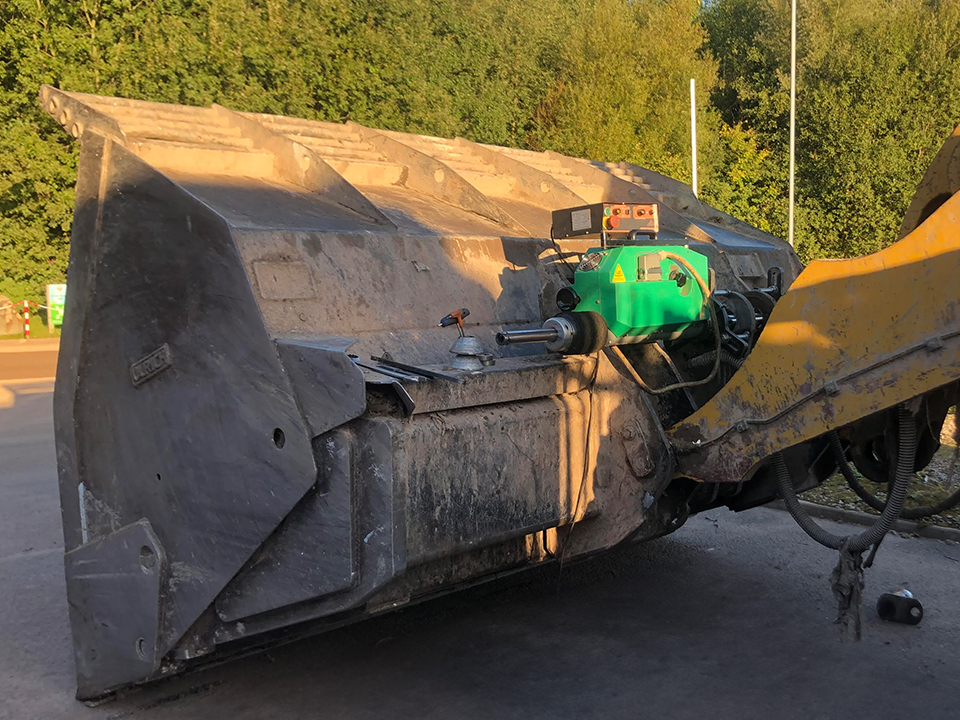
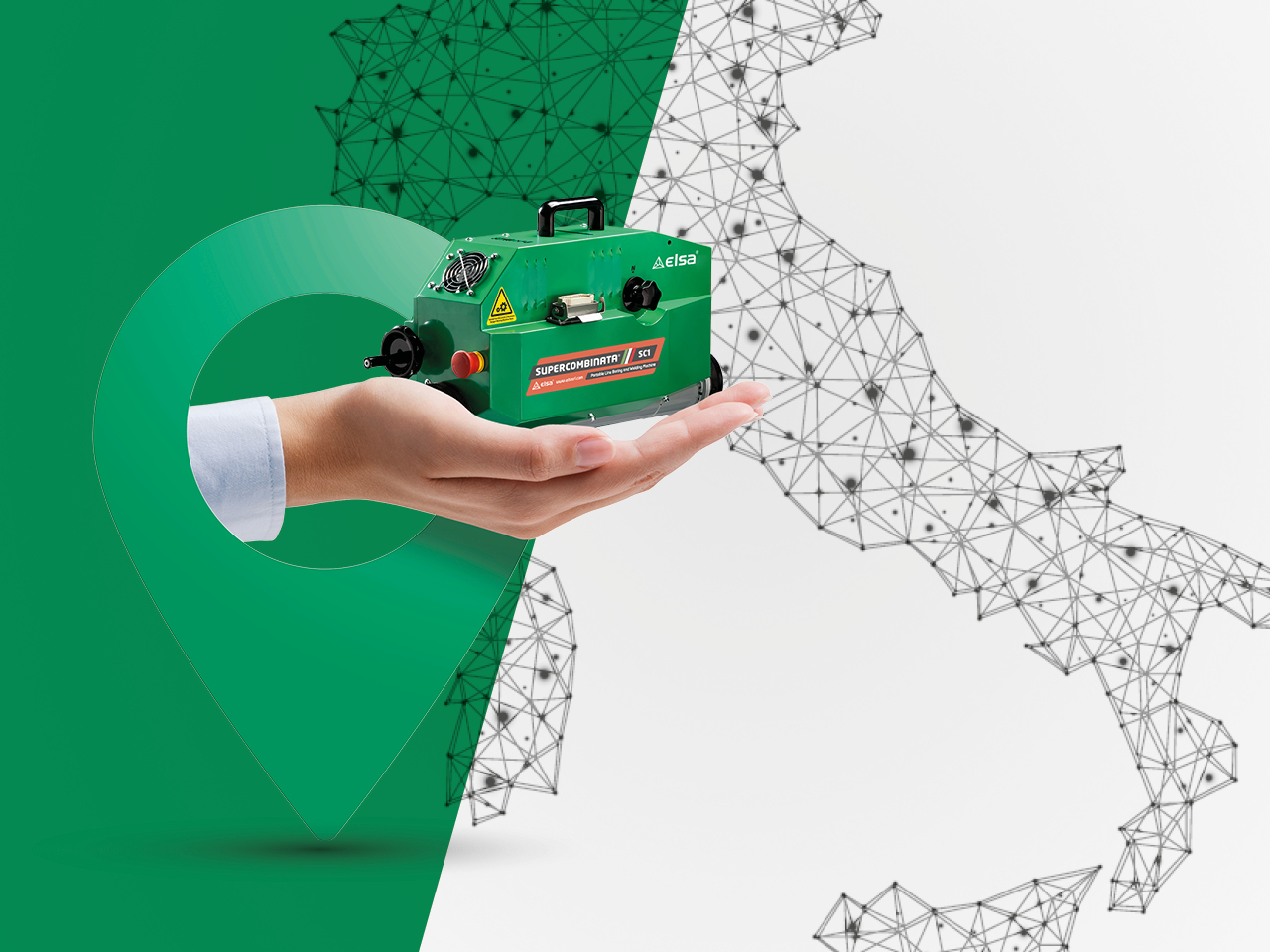
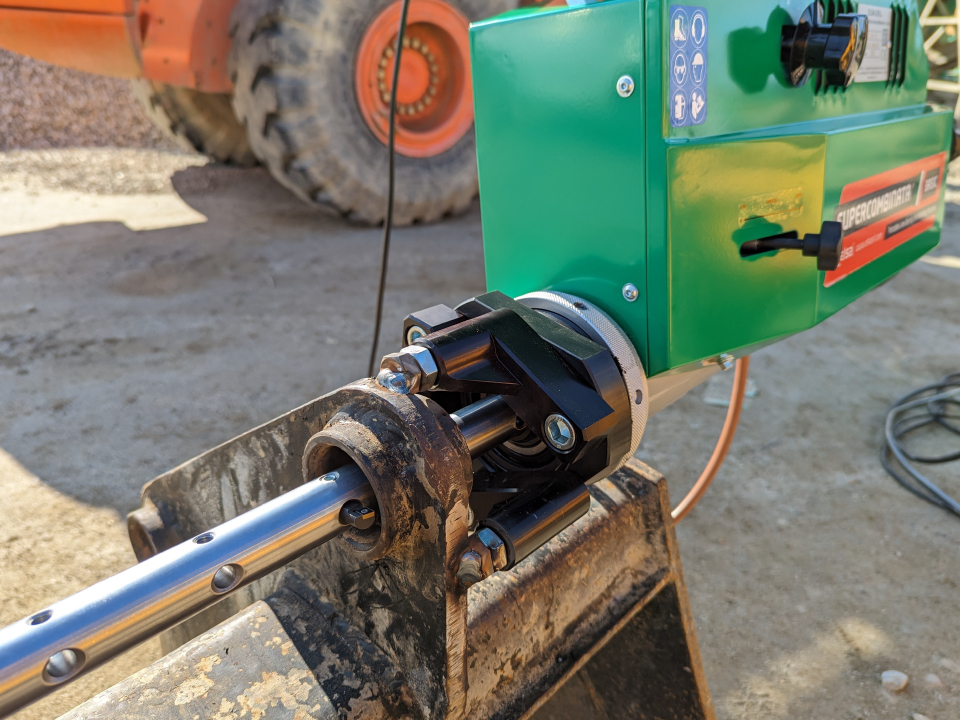
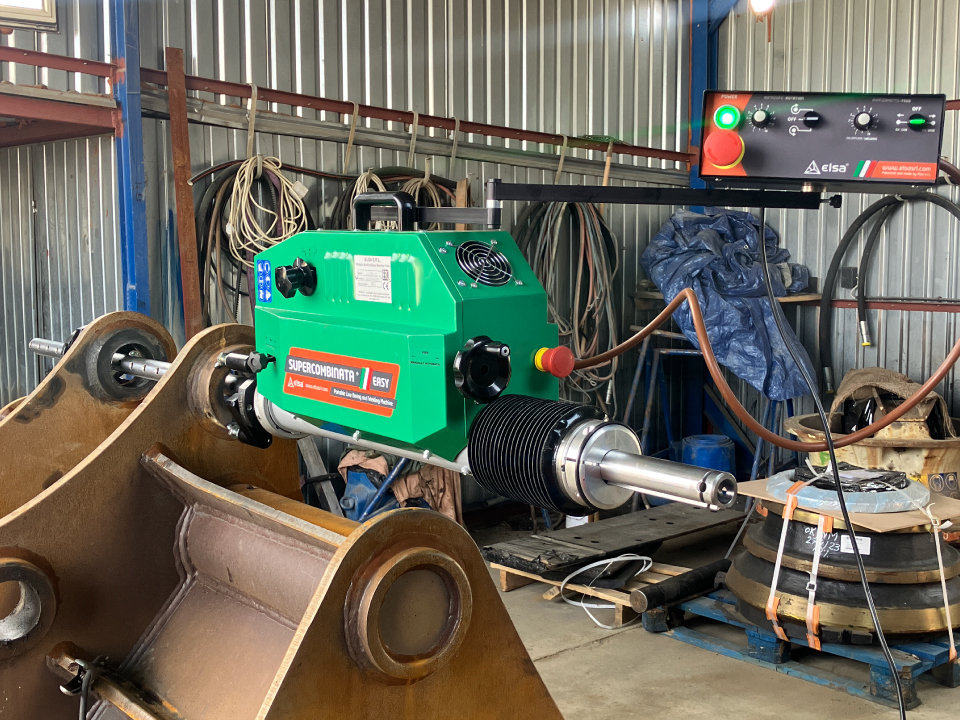
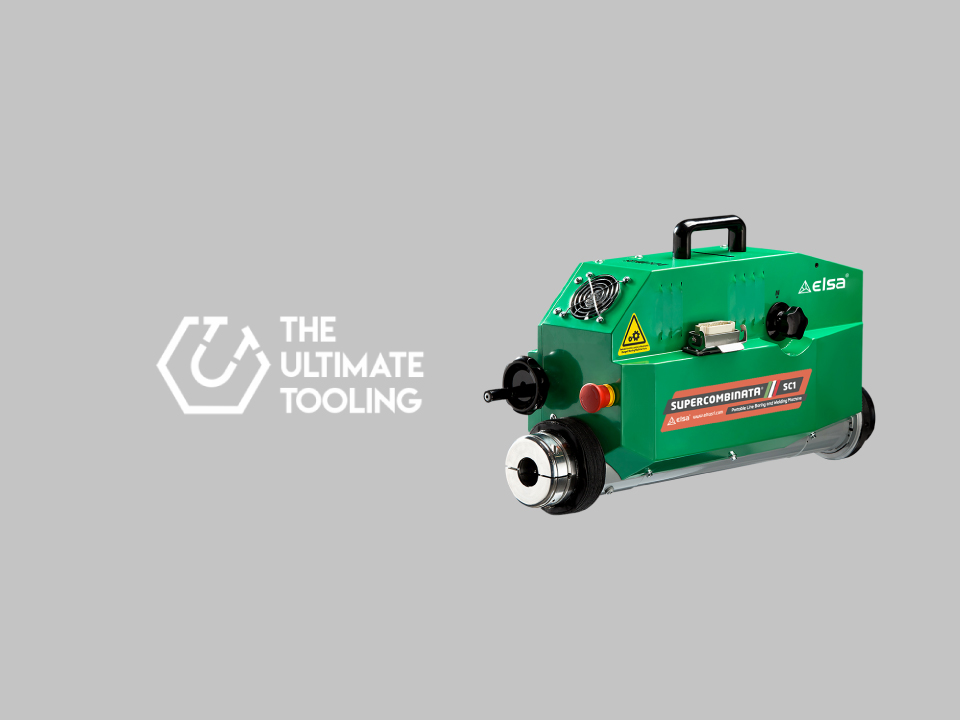
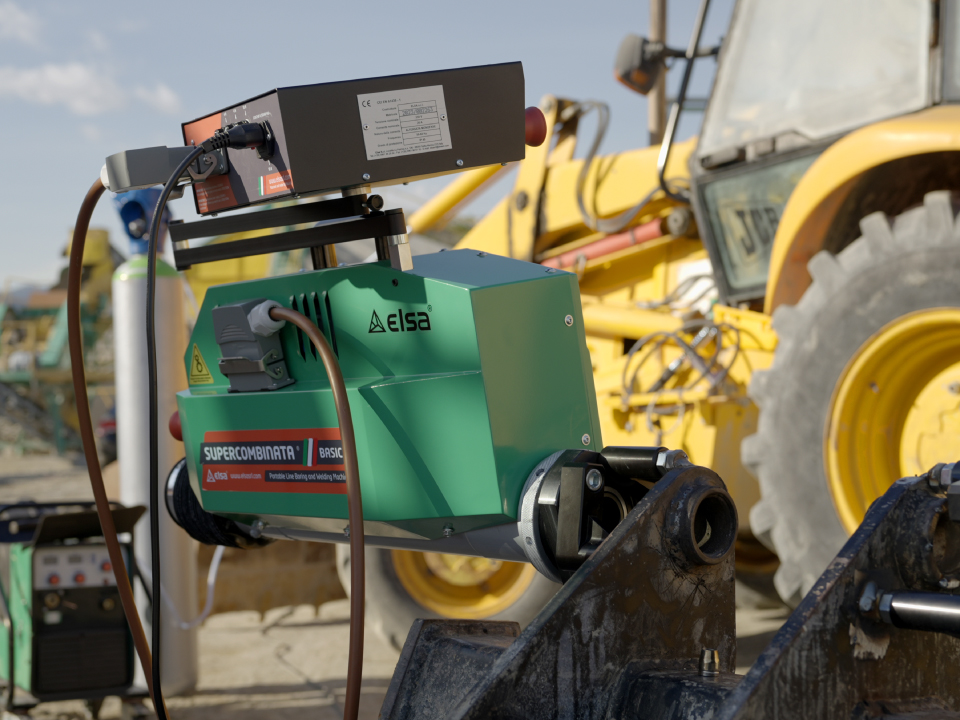
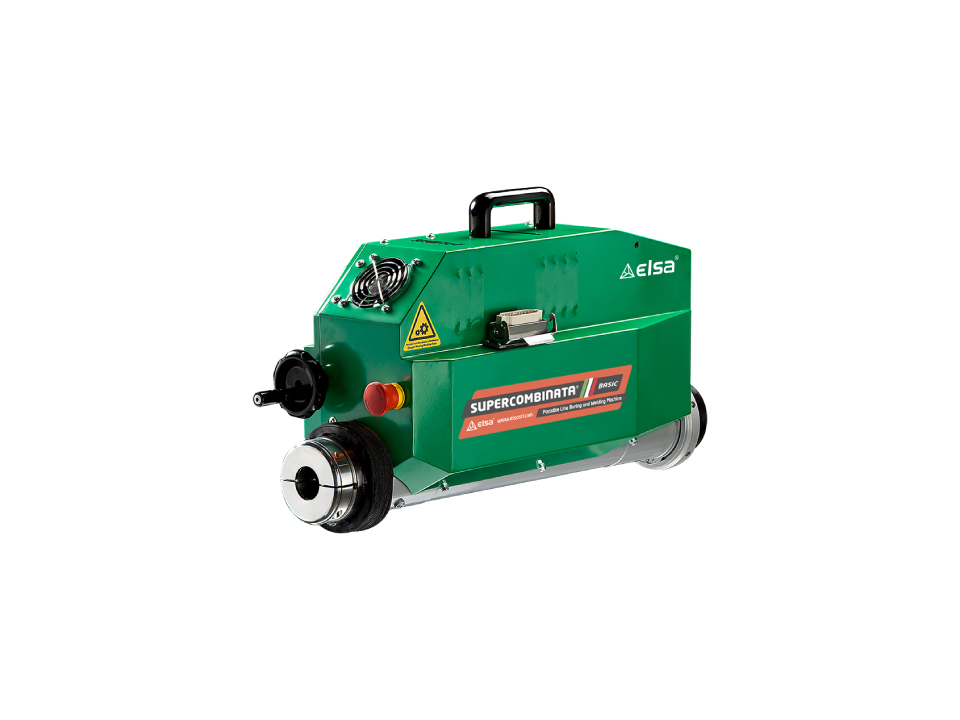
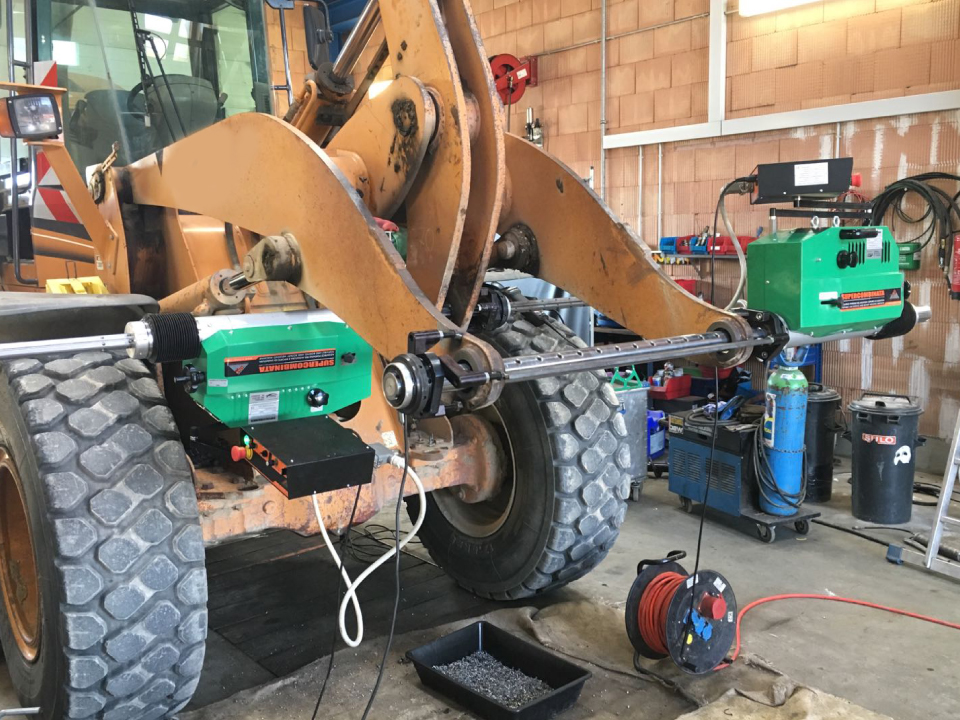
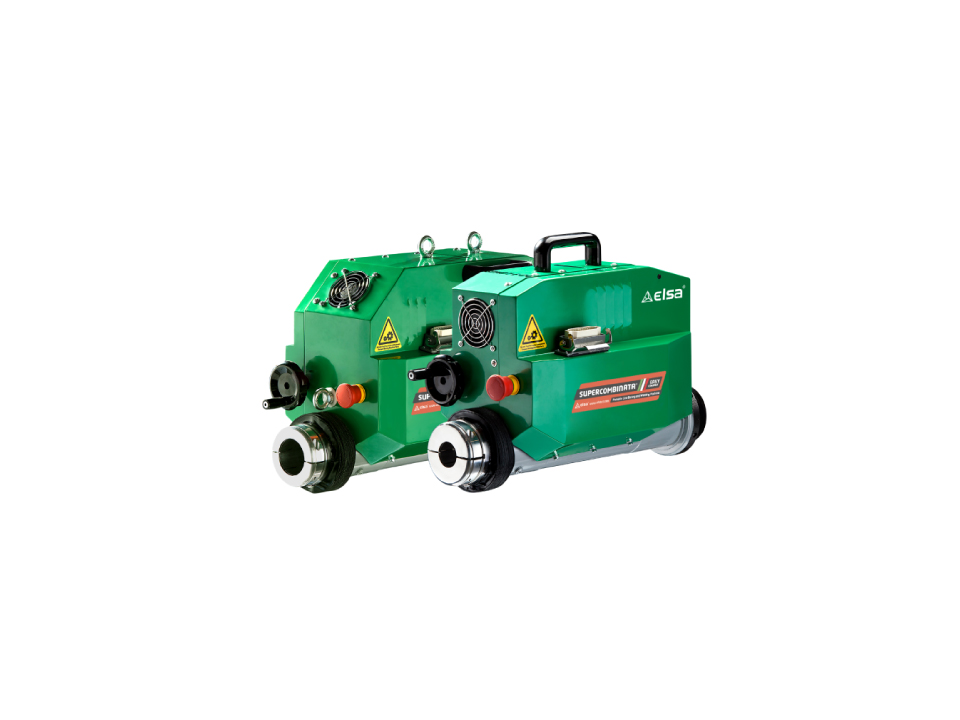
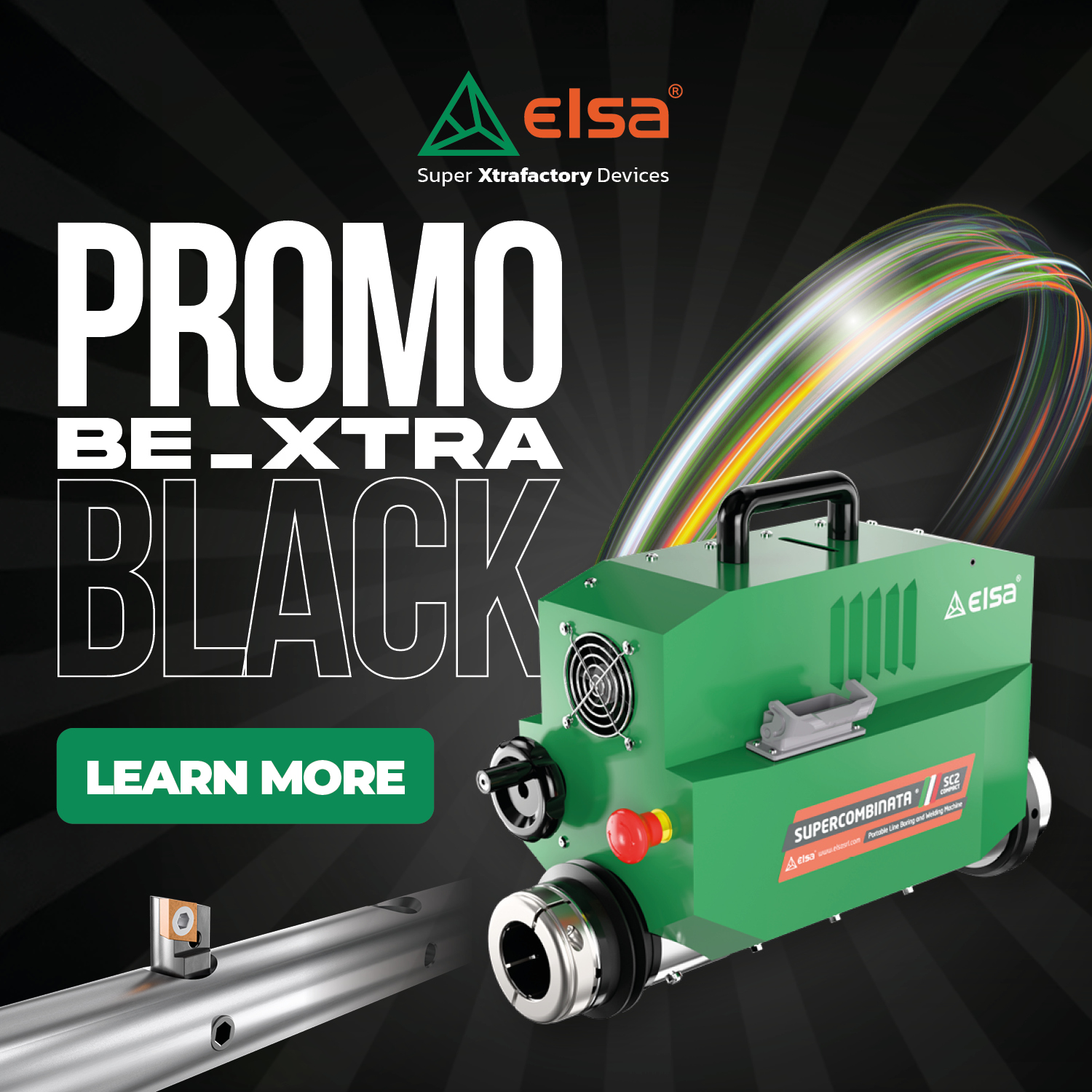
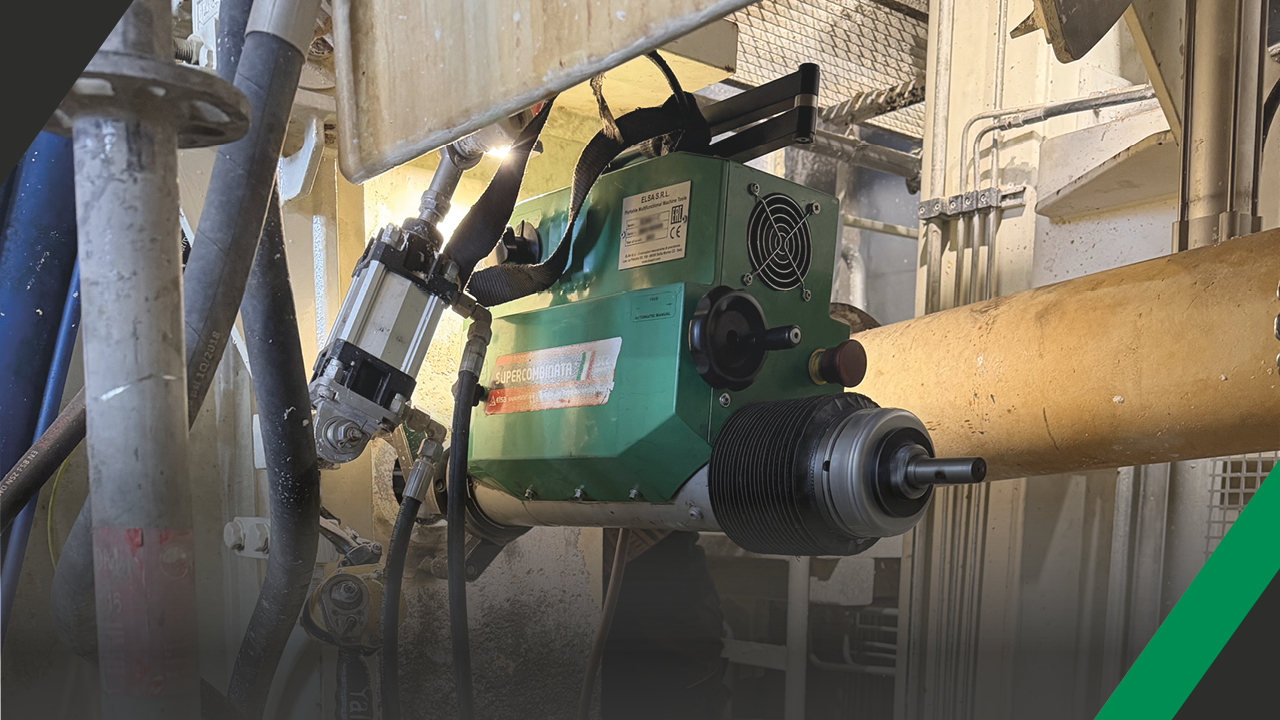
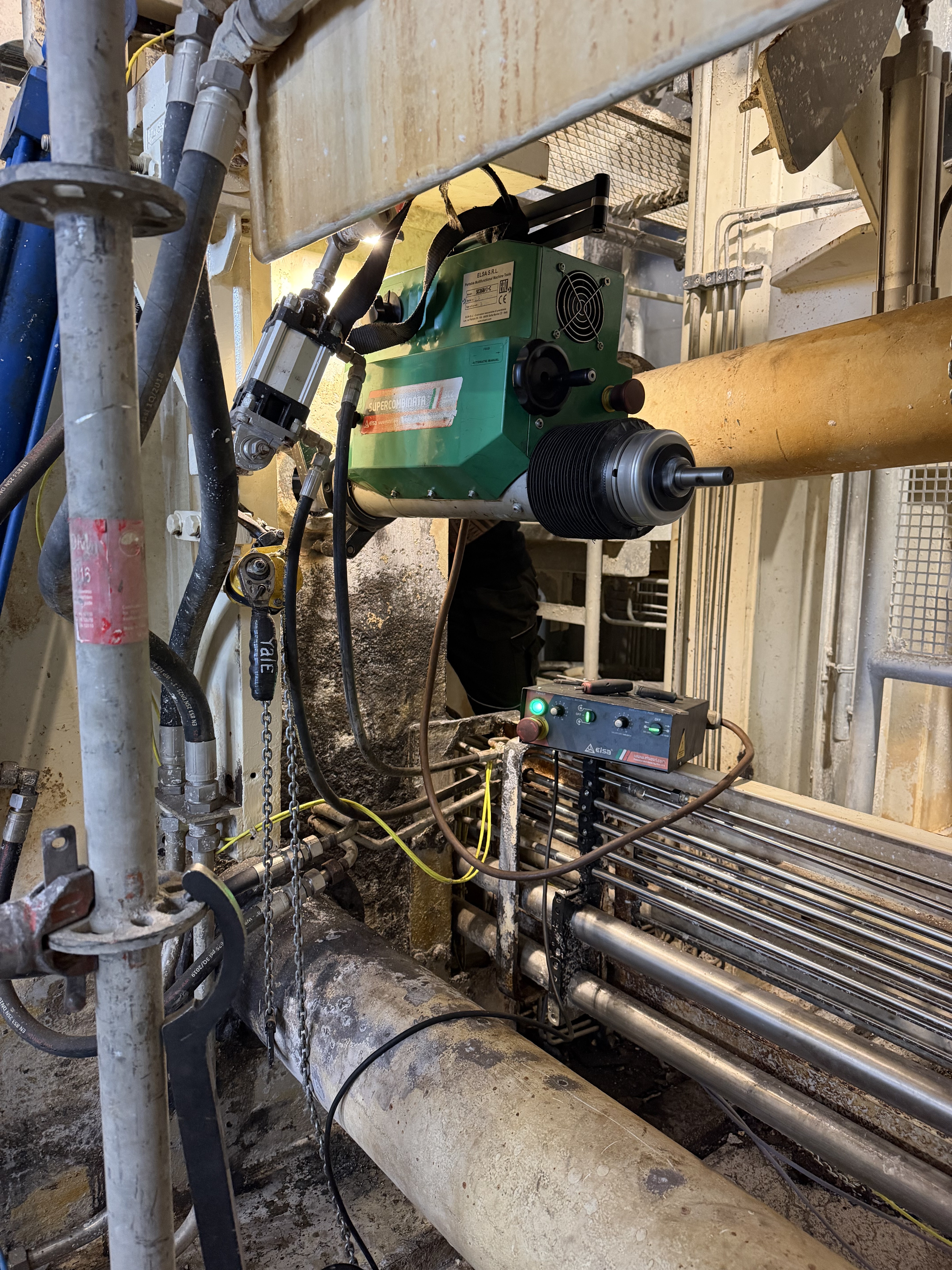
To avoid prolonged downtime of the plant, Lenik decided to carry out the repair directly on site, using Elsa’s portable line boring machine, the “Supercombinata SC2 Compact”. Thanks to its compact design and technical specifications, the line boring machine proved to be the ideal tool for on-site use in confined spaces:
- Compact design for confined spaces: Weighing just 31 kg and with a longitudinal stroke of 200 mm, it can be installed quickly and easily even where space is limited.
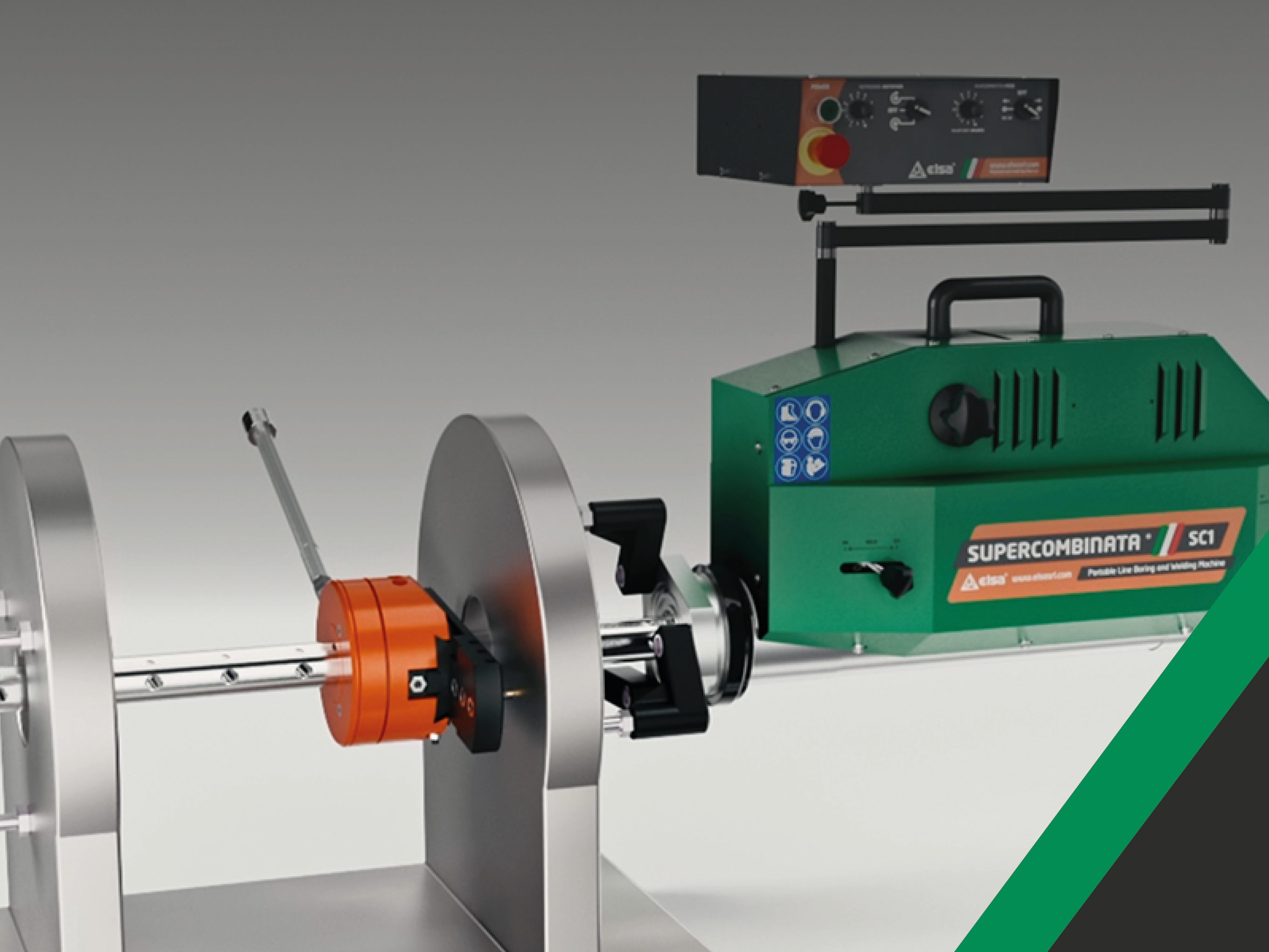
- Structural stability and consistent performance: The tool holder shaft, measuring Ø 60 x 2200 mm, combined with the 1800 W rotary motor delivering a torque of up to 350 Nm at 100 rpm, ensures stability during machining, minimises deflection and vibration, and guarantees uniform material removal.
- On-site maintenance: As mechanical machining operations can be carried out directly on the system, there is no need to dismantle and transport the component to a conventional workshop, thereby reducing intervention times and machine downtime.
Machining steps: Centring, machining and dimensional inspection
The work carried out on site by Lenik was divided into three phases:
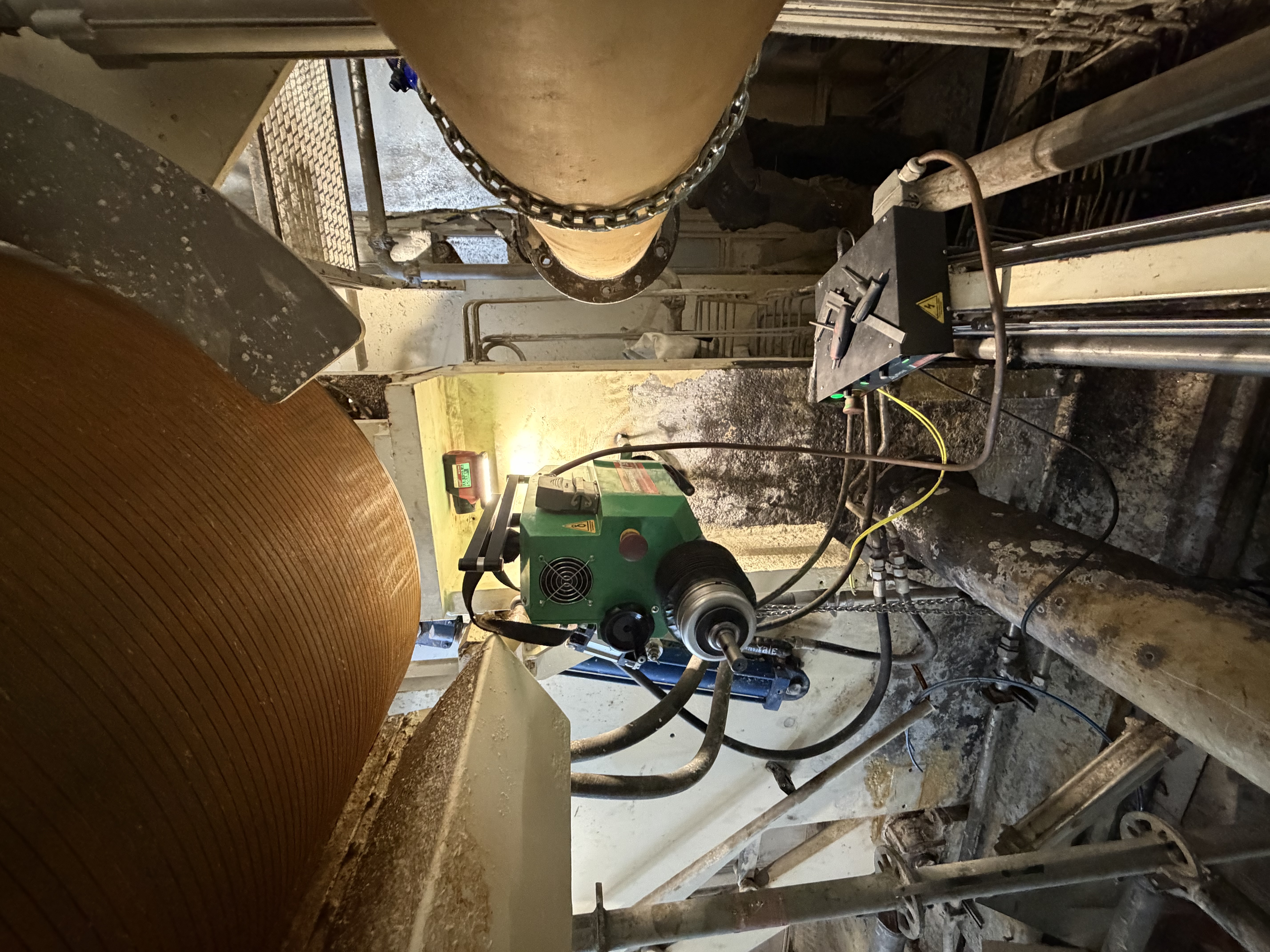
- Centring and set-up: Alignment of the boring bar in relation to the paper mill’s nominal reference plane and the securing of the main supports directly to the roll frame.
- Precision line boring: Carrying out controlled machining passes to restore the correct circular geometry of the bore until the specified nominal dimension is achieved.
- Technical measurement and surface quality: Measurement of the internal diameter and inspection of the roughness of the machined wall – essential steps to ensure the correct fit of the press-fit bushing.
Operational benefits: Reduction in plant downtime and cost savings
On-site maintenance has brought tangible economic and operational benefits to the mill:
- Rapid resumption of production: As the work was carried out directly on the plant, downtime of the paper machine was reduced to the absolute minimum, which helped to ensure the continuity of the recycling cycle.
- Significant cost savings: Transport costs to external processing centres were avoided.
Conclusions: The efficiency of mobile line boring machines in recycling plants
This case study illustrates the benefits of the Supercombinata mobile line boring machine for maintenance work in the recycling and materials processing industry. The ability to carry out work directly on site using the Supercombinata SC2 Compact ensures that worn components can be remanufactured with accuracy to within a hundredth. This reduces machine downtime and maintenance costs whilst maintaining the efficiency of plants that are constantly
Do you need to line bore or recondition holes directly on site?
Frequently Asked Questions (FAQ)
Q: Why should a portable line boring machine be used when maintaining recycling plants?
A: In recycling plants, grinders, presses and other industrial machinery operate continuously under heavy loads and in an environment containing abrasive dust. A portable Supercombinata line boring machine enables machining work to be carried out directly on site, thereby avoiding logistical costs and financial losses resulting from prolonged production downtime.
F: What are the technical specifications of the Supercombinata SC2 Compact?
A: The Supercombinata SC2 Compact is designed for use in very confined spaces. It offers a working range from Ø 62 mm to Ø 400 mm and a welding deposit capacity from Ø 42 mm to Ø 400 mm. It is equipped with a tool holder shaft measuring Ø 60 x 2200 mm, an 1800 W motor with 2 speed settings and a maximum torque of 350 Nm at 100 rpm, as well as a central unit weighing just 31 kg – features that make it the lightest line boring machine in the Supercombinata series.
Q: On which components of a recycling plant can the Elsa machines be used?
A: The portable Supercombinata line boring machines can be used on numerous components of recycling plants, including roller and drum feed systems, bushing mounts, bearing seats, deformed flanges, joints on compactors and presses, and shafts on industrial shredders.
Q: What level of precision can be achieved when machining on site?
A: With the portable line boring machines of the Supercombinata series, dimensional tolerances in the hundredths range up to 0.02 mm can be achieved, as demonstrated by the operation carried out by Lenik. The surface quality is also entirely comparable to that achieved by stationary workshop machines.